





What's Happening?
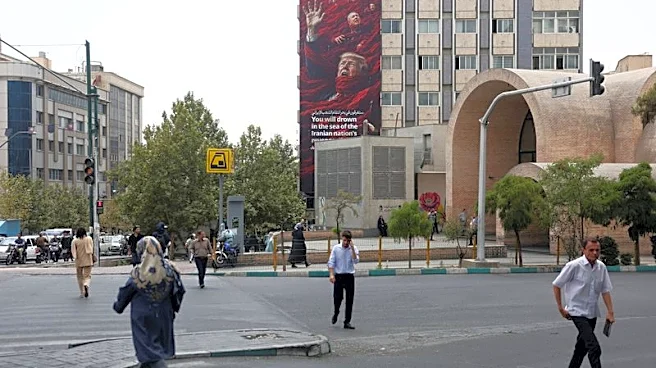
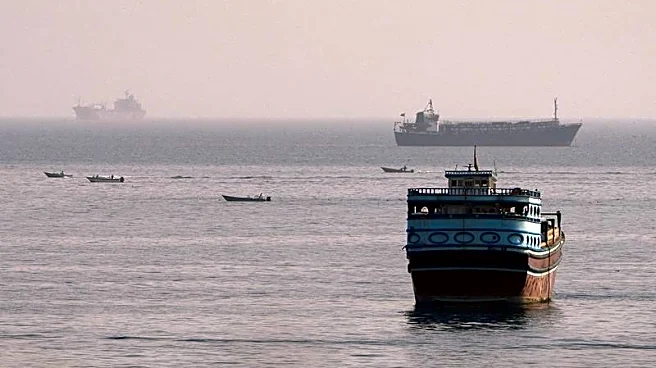
U.S. and Qatari officials have reported progress in negotiations to restore a ceasefire in the U.S.-Iran conflict and reopen the strategic Strait of Hormuz. The discussions, involving mediators from Qatar and Pakistan, aim to bridge gaps between the U.S. and Iran following
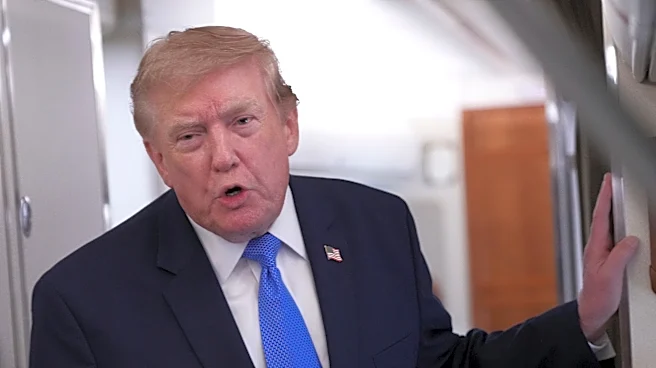
a breakdown of a previous agreement. The strait, a critical passage for global oil and gas shipments, remains closed, impacting oil prices. Despite optimistic statements from U.S. officials, including President Trump, Iran has denied direct talks with the U.S. The negotiations are complicated by internal divisions within Iran and regional diplomatic pressures.
Why It's Important?
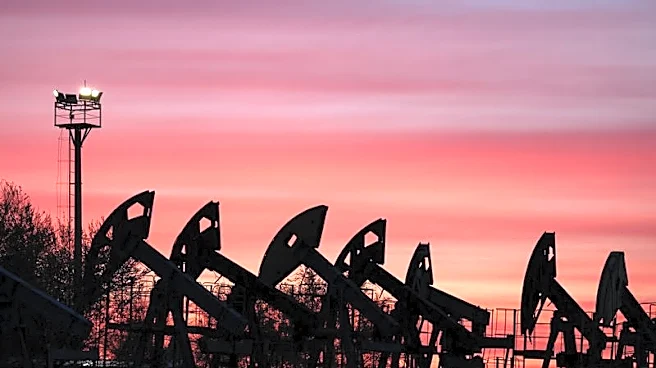
The reopening of the Strait of Hormuz is crucial for global energy markets, as it is a key transit route for a significant portion of the world's oil and liquefied natural gas. The ongoing conflict and closure of the strait have contributed to volatility in oil prices, affecting global economic stability. Successful negotiations could ease tensions in the Middle East, reduce the risk of further military escalation, and stabilize energy supplies. However, the complex geopolitical landscape and internal Iranian politics pose significant challenges to reaching a lasting agreement.
What's Next?
The outcome of the negotiations will depend on the ability of mediators to address the contentious issues, including Iran's demands for tolls on transiting vessels and the broader implications for regional security. The U.S. and its allies are likely to continue diplomatic efforts to secure a temporary transit scheme for the strait. The situation remains fluid, with potential for both breakthroughs and setbacks. The international community will be closely monitoring developments, as the resolution of this conflict has far-reaching implications for regional and global stability.