




What's Happening?
A new investigation by The Sentry reveals that the Allied Democratic Forces (ADF), an extremist group in eastern Democratic Republic of Congo (DRC), has evolved into a self-reliant insurgency. Despite military setbacks and disruptions to funding from
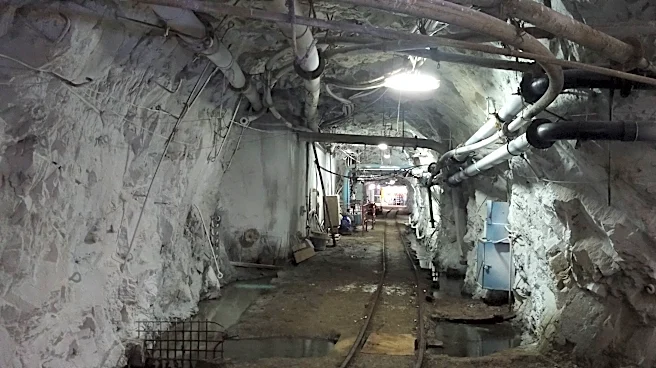
the Islamic State of Iraq and the Levant (ISIL), the ADF is now primarily sustained by conflict gold trafficked to Uganda, new recruits, and local support networks. The report indicates that the ADF's financing shifted from ISIL support to domestic resource mobilization, particularly conflict gold, after US sanctions in late 2024 targeted key facilitators. The ADF is estimated to generate between $1 million and $1.6 million annually from gold sites in the Manguredjipa area alone. The investigation also highlights a concerning overlap between Operation Shujaa, the Ugandan People's Defence Forces (UPDF) counter-ADF intervention in eastern DRC, and the Ugandan government's economic interests in illicit gold, regional trade corridors, and infrastructure. While Operation Shujaa has pushed the ADF away from parts of the Ugandan border, the group has adapted by dispersing into more remote, resource-rich areas and continues to conduct large-scale attacks against civilians.
Why It's Important?
This shift in ADF funding mechanisms has significant implications for regional stability and counter-terrorism efforts. The reliance on conflict gold makes the group less vulnerable to international sanctions targeting ISIL-linked financial channels, creating new challenges for disrupting their operations. The alleged entanglement of Ugandan government economic interests with illicit gold trade in eastern DRC raises serious questions about the true objectives and effectiveness of military interventions like Operation Shujaa. This situation could perpetuate instability, as the prolonged insecurity benefits those profiting from illicit resource flows. For the U.S., which designated the ADF as a foreign terrorist organization in 2021, this development means that traditional counter-terrorism strategies focused on external funding may need to be re-evaluated to address the group's self-sufficiency through local resource exploitation. The continued violence and displacement of civilians in eastern DRC, where the ADF is the largest perpetrator of killings, underscores the urgent need for effective and unbiased interventions.
What's Next?
The findings of The Sentry's report are likely to prompt increased scrutiny from international bodies and human rights organizations regarding Uganda's role in eastern DRC. There may be calls for greater transparency and accountability concerning the economic activities of the Ugandan government and its military presence in the region. The U.S. and other international partners may need to reassess their strategies for combating the ADF, potentially focusing more on disrupting illicit gold supply chains and strengthening governance in mining sectors. This could involve enhanced intelligence sharing, targeted sanctions on individuals and entities involved in conflict gold trafficking, and support for local initiatives aimed at formalizing artisanal mining. Furthermore, the report may fuel diplomatic pressure on both the DRC and Uganda to address the underlying economic drivers of the conflict and ensure that military operations genuinely prioritize civilian protection and regional stability over economic gain.
Beyond the Headlines
The report uncovers a complex web where conflict, economic interests, and regional power dynamics intersect, revealing a deeper challenge than just combating a terrorist group. The perception among local civilians that the ADF serves as a pretext for Uganda to control DRC's resources highlights a profound crisis of trust and legitimacy. This situation could exacerbate anti-Ugandan sentiment and further complicate regional cooperation efforts. Ethically, the alleged overlap of military intervention with economic self-interest raises serious concerns about the moral implications of foreign military presence in resource-rich conflict zones. Legally, it could lead to calls for investigations into potential violations of international law regarding resource exploitation in conflict areas. Culturally, the continued exploitation of resources fuels grievances and perpetuates cycles of violence, hindering long-term peacebuilding and development in a region already devastated by decades of conflict.