


What's Happening?
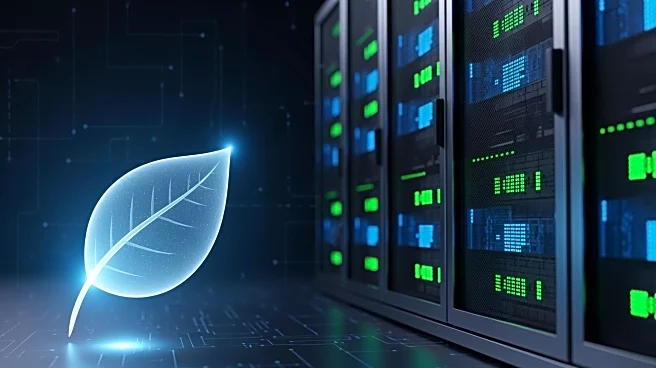
The American Council for an Energy-Efficient Economy (ACEEE) recently hosted a panel discussion to address the increasing strain on the U.S. electric grid, driven by the rapid growth of data centers. These centers, essential for supporting AI technologies,
are expected to significantly increase electricity demand. Experts, including McGee Young, CEO of WattCarbon, and Mike Specian, ACEEE utilities manager, emphasized the need for smarter grid management and demand efficiency. They argue that while energy efficiency has traditionally focused on reducing power generation costs, the current challenge lies in managing transmission and delivery costs. The panel highlighted the importance of demand-side efficiency, which involves reducing peak electricity demand rather than expanding infrastructure. This approach could mitigate the need for costly grid expansions and better protect ratepayers and the environment.
Why It's Important?
The shift towards smarter electric grids is crucial as the U.S. anticipates a 20% to 50% increase in electricity demand over the next decade, primarily due to data center growth. This demand surge poses significant challenges for utility companies and could lead to higher costs for consumers if not managed effectively. By focusing on demand efficiency, utilities can avoid expensive infrastructure upgrades and reduce the environmental impact of increased electricity consumption. This approach also aligns with broader sustainability goals, as it encourages the use of renewable energy sources and reduces reliance on fossil fuels. The successful implementation of smart grid technologies could serve as a model for other regions facing similar challenges, promoting a more resilient and sustainable energy system nationwide.
What's Next?
As the demand for electricity continues to rise, utility companies and regulators are likely to invest more in smart grid technologies and demand-side management strategies. This includes the deployment of smart meters and advanced data analytics to optimize electricity usage patterns. Policymakers may also consider incentives for businesses and consumers to adopt energy-efficient practices and technologies. Additionally, collaboration between public and private sectors will be essential to develop innovative solutions that address the growing energy needs while minimizing environmental impact. The ongoing dialogue among stakeholders, including utility regulators, environmental groups, and technology providers, will play a critical role in shaping the future of the U.S. electric grid.
Beyond the Headlines
The push for smarter electric grids highlights broader issues related to energy policy and infrastructure investment in the U.S. As the country transitions to a more digital economy, the demand for reliable and sustainable energy sources will only increase. This shift necessitates a reevaluation of current energy policies and a commitment to investing in modern infrastructure that can support future growth. Moreover, the focus on demand efficiency underscores the importance of consumer behavior in energy conservation efforts. Educating the public about the benefits of energy efficiency and encouraging participation in demand-side programs could lead to significant reductions in electricity consumption and costs.