



What's Happening?
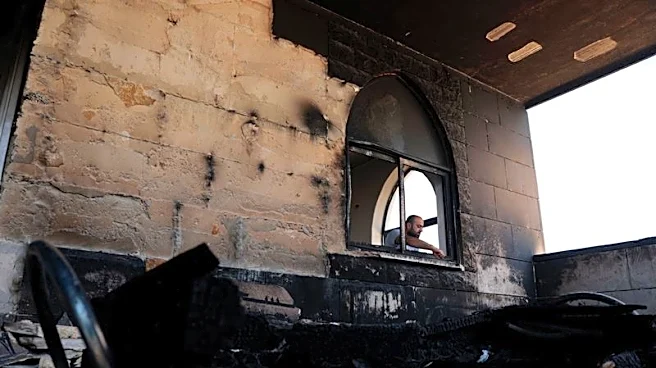
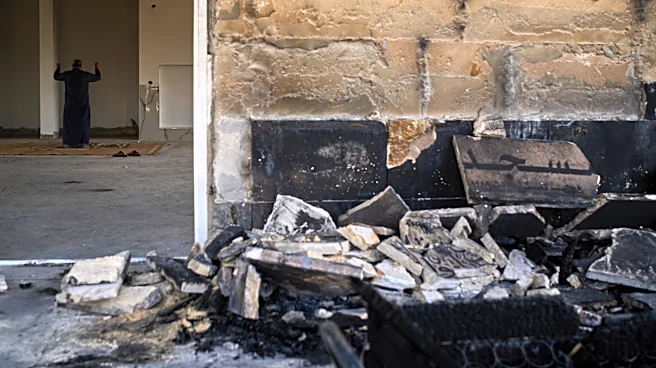
Gail Asper, a key philanthropist behind the Canadian Museum for Human Rights, has announced her family is pausing financial support due to concerns over an exhibit on the Palestinian Nakba. The exhibit, which details the displacement of Palestinians following
Israel's creation, has been criticized for lacking context, particularly regarding the displacement of Jews from Arab countries. Asper fears the exhibit could fuel antisemitism and undermine trust in the museum. The museum defends the exhibit, stating it aims to highlight underrepresented Palestinian Canadian stories.
Why It's Important?
The controversy highlights the challenges museums face in presenting complex historical narratives, particularly those involving sensitive geopolitical issues. The decision by a major donor to pause funding underscores the potential financial and reputational risks for cultural institutions navigating contentious topics. The situation reflects broader debates about representation, historical memory, and the role of museums in fostering dialogue and understanding. The outcome could influence future exhibits and the museum's approach to controversial subjects.
What's Next?
The museum may face pressure to review and potentially revise the exhibit to address concerns raised by Asper and other critics. The pause in funding could impact future projects and exhibits, prompting the museum to seek alternative sources of support. The controversy may also lead to broader discussions about the museum's policies and decision-making processes. Stakeholders, including government officials and community groups, may engage in dialogue to find a resolution that balances diverse perspectives.
Beyond the Headlines
The exhibit controversy raises questions about the role of cultural institutions in shaping public understanding of historical events. The debate highlights the complexities of addressing narratives that involve multiple perspectives and historical grievances. The situation also reflects broader societal tensions around issues of identity, memory, and reconciliation. The museum's response could set a precedent for how similar institutions handle contentious topics in the future.