






What's Happening?
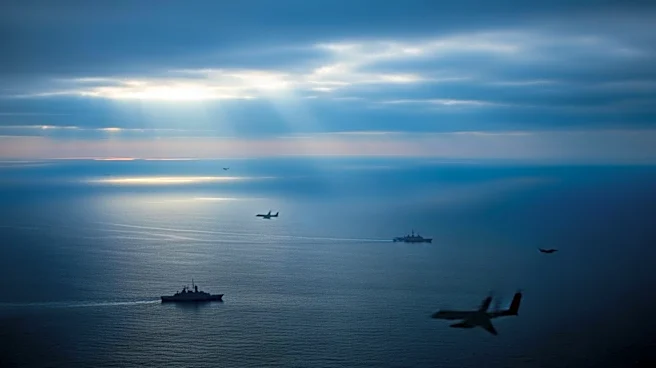
The US military has conducted another strike on a boat in the eastern Pacific Ocean, accused of smuggling drugs, resulting in the deaths of three men. This marks the third attack in a week, bringing the total death toll from these operations to over 200.
The US Southern Command announced the strike, claiming the vessel was involved in narco-trafficking and operated by a designated terrorist organization, although no evidence was provided. The Trump administration has declared an armed conflict with Latin American drug cartels, attributing them to the drug flow into American communities. However, the lack of definitive evidence regarding the vessels' involvement in drug trafficking has sparked debate over the legality of these operations.
Why It's Important?
The strikes have raised significant legal and ethical concerns, with human rights organizations like Human Rights Watch and Amnesty International labeling them as 'unlawful extrajudicial killings.' The American Civil Liberties Union has criticized the Trump administration's claims as 'unsubstantiated, fear-mongering.' These actions could have profound implications for US foreign policy and its relations with Latin American countries, potentially affecting diplomatic ties and international perceptions of US military operations. The ongoing campaign against alleged drug boats highlights the administration's aggressive stance on drug trafficking but also underscores the need for transparency and accountability in military actions.
What's Next?
The continuation of these strikes may lead to increased scrutiny from international human rights organizations and potential diplomatic tensions with Latin American countries. The US government may face pressure to provide evidence supporting its claims and to justify the legality of its actions. Further discussions and investigations into the operations' legality and impact on international relations are likely to ensue.
Beyond the Headlines
The strikes could set a precedent for how the US addresses drug trafficking and terrorism, potentially influencing future military and foreign policy strategies. The ethical implications of such operations may prompt broader discussions on the balance between national security and human rights, as well as the role of military force in combating non-state actors.