





What's Happening?
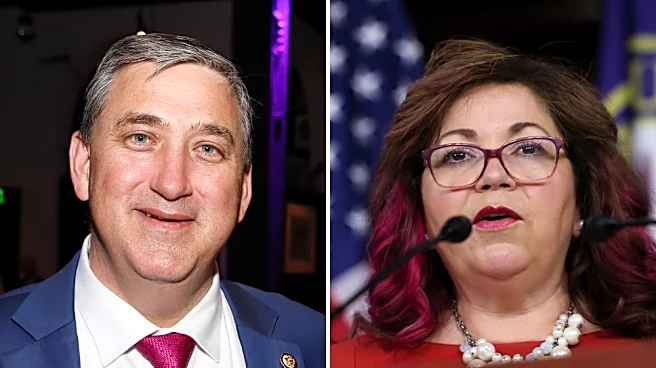
Rep. Frank Pallone, D-N.J., the ranking member of the Energy and Commerce Committee, has launched an investigation into six arbiters responsible for determining reimbursement amounts for out-of-network medical bills under the No Surprises Act (NSA). Pallone sent
letters to C2C Innovative Solutions, Commence, Dane Street, EdiPhy Advisors, National Medical Reviews, and ProPeer Resources, requesting documents and information on their decision-making processes. The inquiry focuses on how these arbiters decide claims, including the frequency of ruling in favor of providers, the factors considered in selecting winning offers, and how personnel involved in decisions are compensated. This investigation comes amidst growing evidence that the independent dispute resolution (IDR) process, established by the NSA, is leading to significantly higher healthcare spending than initially anticipated. Regulators had projected around 17,000 cases annually, but 2.5 million disputes were filed in 2025, and 1.4 million in the first five months of 2026 alone. Pallone expressed concern that the IDR process is not functioning as Congress intended and may be contributing to increased out-of-pocket costs and higher premiums for consumers.
Why It's Important?
The investigation by Rep. Pallone highlights significant concerns regarding the implementation and financial impact of the No Surprises Act, a landmark piece of legislation designed to protect consumers from unexpected medical bills. While the NSA has successfully prevented nearly 20 million surprise medical bills in 2024, its independent dispute resolution process appears to be driving up U.S. healthcare spending. Research from Georgetown University suggests the arbitration process has led to over $22 billion in extra spending during its first four years. This financial burden ultimately affects consumers through higher premiums and out-of-pocket costs. The investigation also brings to light potential conflicts of interest, as arbiters are paid per dispute and receive no reimbursement if a dispute is deemed ineligible, creating an incentive to find disputes eligible and rule in favor of providers. This dynamic could undermine the neutrality of the arbitration process and lead to inflated awards, as exemplified by a plastic surgeon receiving $440,000 for a breast reduction that typically costs around $20,000. The outcome of this investigation could lead to significant reforms in how the NSA's arbitration process is managed, impacting both healthcare providers and insurers, and ultimately, the financial well-being of American consumers.
What's Next?
The six arbiters under investigation have until September 24 to respond to Rep. Pallone's requests for information and documents. Their responses will likely shape the next steps of the inquiry, potentially leading to further congressional scrutiny or calls for legislative amendments to the No Surprises Act. The investigation could intensify pressure on IDR arbiters and providers who have benefited from the current system. Insurers, who have been vocal about the need for IDR reform and have filed lawsuits against providers they accuse of gaming the system, will likely closely monitor the developments. Conversely, provider groups, who argue that insurers are making unfairly low offers, will also be keenly watching. While the Trump administration finalized a rule earlier this spring to streamline dispute resolution, it did not address the financial incentives of the IDR process, which insurers view as a missed opportunity. The findings of Pallone's investigation could provide the impetus for more comprehensive reforms aimed at ensuring the IDR process operates as intended, protecting consumers while maintaining fairness for all parties involved in healthcare billing disputes.
Beyond the Headlines
Beyond the immediate financial implications, this investigation delves into the ethical and structural integrity of a critical piece of healthcare legislation. The No Surprises Act was enacted with the clear intent of safeguarding patients, yet the current issues with its arbitration process reveal a complex interplay of incentives that can inadvertently undermine its core purpose. The concern that arbiters, meant to be neutral referees, might be incentivized to favor providers due to their payment structure raises fundamental questions about regulatory oversight and accountability in the healthcare system. This situation highlights the broader challenge of implementing complex legislation in a way that anticipates and mitigates unintended consequences. It also underscores the ongoing tension between controlling healthcare costs and ensuring fair compensation for medical services. The outcome of this investigation could set a precedent for how future healthcare regulations are designed and monitored, emphasizing the need for robust mechanisms to prevent financial incentives from distorting the intended benefits of patient protection laws. It also brings to the forefront the influence of private equity in healthcare, as a small group of providers backed by such firms are reportedly filing the lion's share of disputes, further complicating the landscape of healthcare economics.