

What's Happening?
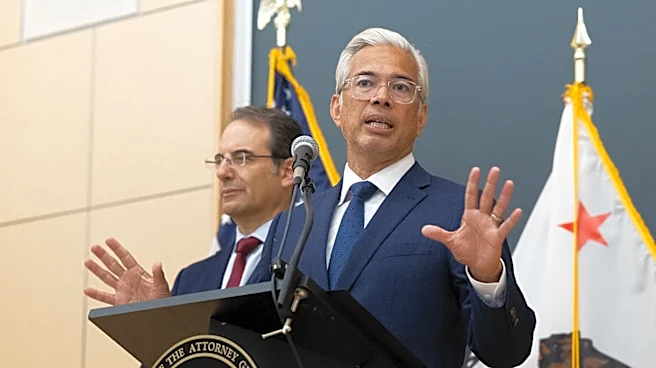
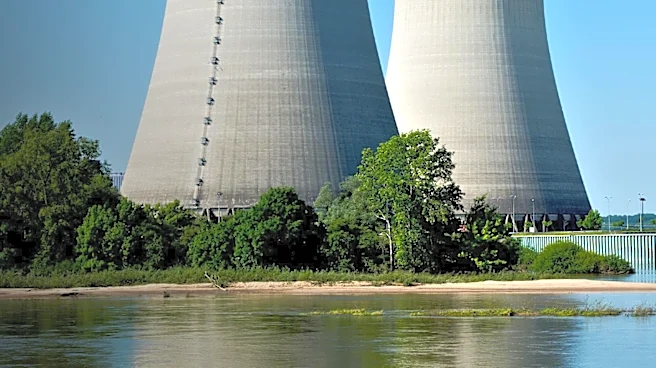
California Attorney General Rob Bonta has joined attorneys general from 11 other states in signing letters to oppose proposed changes to nuclear safety regulations by the Trump administration. These changes are part of an executive order issued by President
Trump in May, aimed at reforming nuclear regulations to expand the use of nuclear energy across the U.S. The administration argues that current regulations are inefficient and lack scientific basis. One specific proposal involves dropping a standard that requires facilities using radioactive material to keep worker radiation exposures as low as reasonably possible. Attorney General Bonta stated in a press release that the Trump administration appears to be "more concerned with corporate interests than the health and safety of the American people." The anti-nuclear advocacy group Mothers for Peace has strongly criticized the proposed rule changes, calling them "callous beyond belief" and emphasizing the need for less, not more, exposure to radiation.
Why It's Important?
This opposition from California and other states highlights a significant conflict between federal efforts to promote nuclear energy and state-level concerns regarding public health and environmental safety. The proposed loosening of nuclear safety regulations could have far-reaching implications for workers in facilities handling radioactive materials, potentially increasing their exposure to radiation. For the nuclear industry, these changes could streamline operations and reduce compliance costs, potentially encouraging new nuclear power development. However, critics argue that such deregulation could compromise safety standards, leading to increased risks for communities near nuclear facilities and the environment. The debate underscores differing philosophies on energy policy, with the Trump administration prioritizing expansion and efficiency, while opposing states and advocacy groups prioritize stringent safety and environmental protection.
What's Next?
The letters signed by Attorney General Bonta and other state attorneys general represent a formal challenge to the Trump administration's proposed nuclear regulation changes. This action could lead to further legal and administrative battles between states and the federal government over environmental and safety standards. Stakeholders, including nuclear industry representatives, environmental groups, and public health advocates, will likely continue to engage in lobbying and public discourse to influence the final outcome of these regulatory reforms. The administration will need to consider these objections as it moves forward with implementing the executive order. The outcome could set precedents for future federal-state relations on energy policy and environmental regulation, potentially impacting the future of nuclear energy development in the U.S.
Beyond the Headlines
The controversy surrounding nuclear safety regulations touches upon deeper ethical and societal questions regarding risk assessment and the balance between economic development and public welfare. The concept of keeping radiation exposure "as low as reasonably possible" (ALARA) is a cornerstone of radiation protection philosophy, and any deviation from this principle raises significant concerns about long-term health impacts. This debate also reflects a broader tension in U.S. energy policy, where the push for diverse energy sources, including nuclear, often clashes with environmental and safety advocacy. The differing perspectives on the efficiency versus safety of nuclear power highlight the complex challenges in transitioning to a sustainable energy future while ensuring public trust and protection. The long-term implications of these regulatory changes could influence public perception of nuclear energy and its role in addressing climate change.