





What's Happening?
The U.S. Supreme Court is currently hearing arguments in the case of Monsanto v. Durnell, a significant legal battle that could determine the extent of pesticide manufacturers' liability for failing to warn the public about health risks associated with
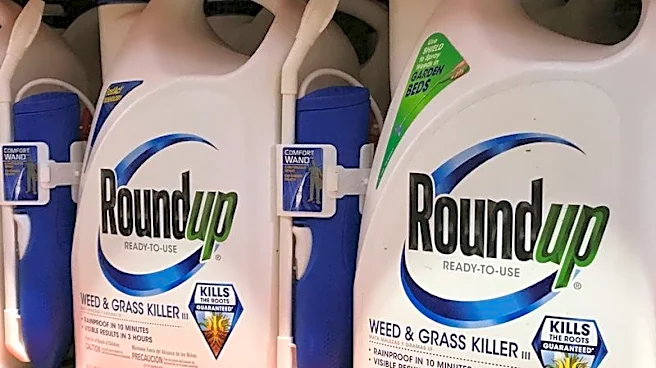
their products. The Center for Food Safety (CFS), a leading nonprofit organization focused on food and agriculture issues, is actively involved in the case, having filed a brief alongside other nonprofit allies. The case centers around the use of glyphosate, the active ingredient in Monsanto's Roundup, which has been linked to cancer. The outcome could have far-reaching implications for public awareness and legal accountability regarding pesticide safety.
Why It's Important?
The decision in Monsanto v. Durnell could have significant implications for public health and legal accountability in the United States. If the court rules in favor of Monsanto, it could limit the ability of states to enforce stricter pesticide regulations and reduce public access to information about the potential health risks of pesticides. This case also highlights the ongoing debate over glyphosate, a widely used pesticide, and its potential carcinogenic effects. A ruling against Monsanto could strengthen consumer protection and enhance transparency in the agricultural industry, potentially leading to stricter regulations and increased public awareness of pesticide-related health risks.
What's Next?
A decision from the Supreme Court is expected by the end of June. Depending on the outcome, there could be significant changes in how pesticide regulations are enforced at both the state and federal levels. If the court sides with Monsanto, it may prompt legislative efforts to address potential gaps in consumer protection. Conversely, a ruling against Monsanto could lead to increased litigation against pesticide manufacturers and potentially stricter regulatory oversight. Stakeholders, including environmental groups, agricultural businesses, and public health advocates, are likely to respond based on the court's decision.