





What's Happening?
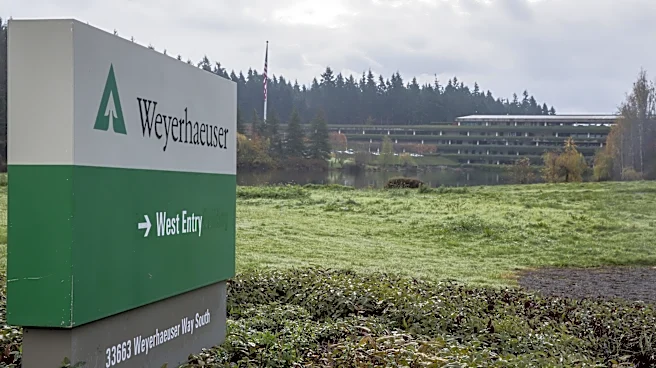
The New Bern Board of Aldermen has postponed a vote on a rezoning request by Weyerhaeuser for 1,245 acres of land near the Greenbrier neighborhood. The company is seeking to rezone portions of the land from A-5F agriculture to C-3 commercial, and from A-5F agriculture and R-15
residential to R-6 residential. This decision to postpone was made after numerous residents voiced opposition at a recent meeting, citing worries about potential increases in noise, light pollution, traffic congestion, and environmental impacts. Residents, including Ron Bonina and Pam Bonina, expressed concerns about the preservation of their quality of life and the peaceful nature of the Greenbrier area. Dave Gillespie also raised questions about the city's capacity to support an influx of new residents, particularly regarding access to essential services like dental and medical appointments. The vote has been deferred until December's meeting, allowing residents more time to review the proposed plan and its implications.
Why It's Important?
This postponement highlights the significant impact that land development proposals can have on local communities and the importance of resident engagement in zoning decisions. The concerns raised by New Bern residents—ranging from environmental degradation to increased traffic and strain on public services—are common challenges faced by growing municipalities across the U.S. Weyerhaeuser's request to rezone agricultural and residential land for commercial and higher-density residential use could fundamentally alter the character of the Greenbrier neighborhood. The outcome of this vote will set a precedent for how development is managed in New Bern, balancing corporate interests with community well-being and environmental protection. It also underscores the power of collective community action in influencing local governance and ensuring that development projects are scrutinized for their broader societal and ecological consequences.
What's Next?
The New Bern Board of Aldermen is scheduled to revisit Weyerhaeuser's rezoning request at their December meeting. In the interim, residents will have additional time to review the plan and its potential impacts. Ron Bonina expressed hope that if the plan proceeds, the board will consider accommodations such as the construction of a berm to mitigate noise and light pollution from commercial developments. Other residents have advocated for a wildlife corridor to protect local fauna and preserve the environment. The discussions leading up to the December vote are expected to involve further community input and potentially negotiations between Weyerhaeuser and the residents to address their concerns. The decision will ultimately determine the future land use for a significant parcel near the Highway 70/43 connector and its implications for the Greenbrier neighborhood.
Beyond the Headlines
The Weyerhaeuser rezoning case in New Bern reflects a broader national tension between economic development and community preservation. As urban and suburban areas expand, the conversion of agricultural and undeveloped land into commercial and residential zones often sparks debates over quality of life, environmental stewardship, and infrastructure capacity. This situation also touches upon the ethical considerations of corporate land use, particularly for companies with extensive land holdings. The residents' call for accommodations like berms and wildlife corridors points to a growing demand for more sustainable and community-conscious development practices. The outcome in New Bern could influence how similar rezoning requests are handled in other U.S. communities, emphasizing the need for comprehensive impact assessments and robust public participation in land-use planning.