



What's Happening?
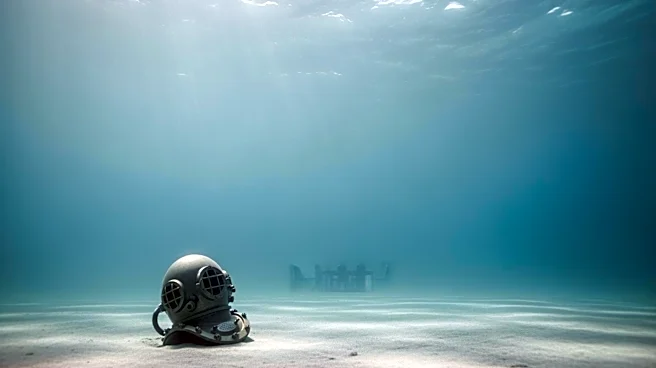
Christine Dawood, widow of Shahzada Dawood and mother of Suleman Dawood, has spoken out for the first time about the tragic loss of her husband and son in the OceanGate Titan submersible disaster. The incident occurred in June 2023 when the sub imploded
during a dive to the Titanic wreck. Christine Dawood recounted how the journey began with an Instagram advertisement for a unique travel experience, which led to the family spending $500,000 for two seats on the sub. Despite reassurances from OceanGate CEO Stockton Rush, the submersible went missing, leading to a tense four-day search. Ultimately, it was determined that a catastrophic hull failure had occurred, resulting in the instantaneous deaths of all aboard. Christine Dawood described the emotional aftermath, including the eventual recovery of her loved ones' remains, which were returned to her in small boxes after being DNA tested.
Why It's Important?
The tragedy highlights the risks associated with extreme tourism and the growing industry of deep-sea exploration. The incident has raised questions about the safety protocols and engineering standards of submersible vehicles used for such expeditions. It underscores the need for stringent safety measures and regulatory oversight in the burgeoning field of adventure tourism. The emotional and psychological impact on the families involved is profound, as they grapple with the loss and the manner in which their loved ones' remains were handled. This case may influence future policies and practices in the industry, potentially leading to more rigorous safety checks and emergency preparedness protocols.
What's Next?
Christine Dawood's account is part of a broader narrative that may lead to increased scrutiny of companies offering high-risk travel experiences. Her forthcoming book, 'Ninety-Six Hours,' is expected to provide further insights into the ordeal, potentially influencing public perception and regulatory discussions. The industry may face calls for more transparency and accountability, with stakeholders including regulatory bodies, industry leaders, and consumer protection groups likely to engage in dialogue about improving safety standards. The emotional testimony from affected families could also drive legislative efforts to ensure better safety and support mechanisms for future expeditions.
Beyond the Headlines
The incident raises ethical questions about the commercialization of extreme travel experiences and the responsibilities of companies in ensuring passenger safety. It also highlights the psychological toll on families who must navigate the aftermath of such tragedies, including the handling of remains and the public nature of their grief. The story may prompt a cultural reassessment of the allure of high-risk adventures and the value placed on human life versus the pursuit of unique experiences. Long-term, this could lead to a shift in consumer behavior and expectations regarding safety and accountability in the travel industry.