



What's Happening?
Diplomatic and economic tensions between China and Japan have intensified, with China implementing new export controls and criticizing Japan's military stance. The Chinese ambassador in Tokyo rejected Japan's request to retract these controls, which target
'dual-use items' potentially usable in military applications. This move follows Japan's Prime Minister Sanae Takaichi's comments on potential intervention if China uses force against Taiwan. The tensions have led to delays in Japanese exports to China, including sake and processed foods, as reported by Japanese officials. The Chinese Communist Party's newspaper, People's Daily, has criticized Japan's 'new militarism,' warning of historical consequences.
Why It's Important?
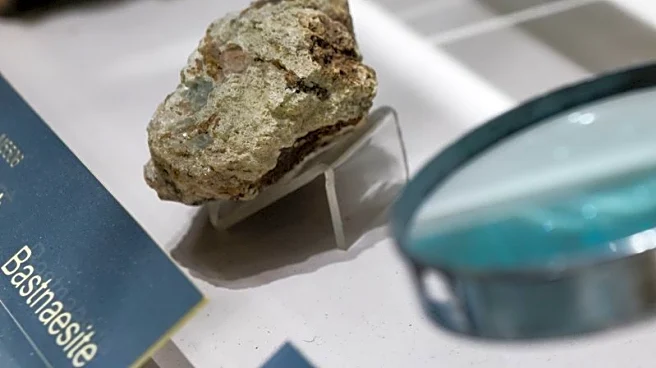
The escalating tensions could significantly impact trade relations between China and Japan, two major global economies. China's export controls on rare earths, crucial for various industries, could disrupt global supply chains, affecting sectors like electronics and automotive manufacturing. Japan's reliance on Chinese rare earths underscores the potential economic fallout. The diplomatic strain also highlights the geopolitical complexities in East Asia, particularly concerning Taiwan, which could influence regional security dynamics. The situation may prompt Japan to seek alternative trade partners or retaliate, further complicating international relations.
What's Next?
Japan is closely monitoring the situation and may take measures to ensure smooth trade operations. The ongoing diplomatic spat could lead to further economic measures from both sides, potentially affecting global markets. Japan's government is likely to engage in diplomatic efforts to resolve the issue, while businesses may seek to diversify supply chains to mitigate risks. The international community will be watching for any shifts in alliances or trade policies that could arise from this dispute.