





What's Happening?
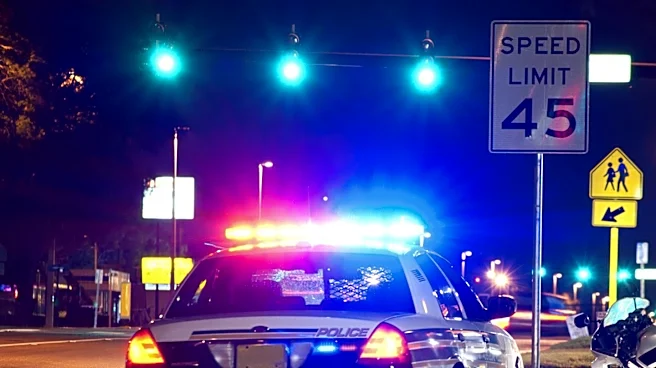
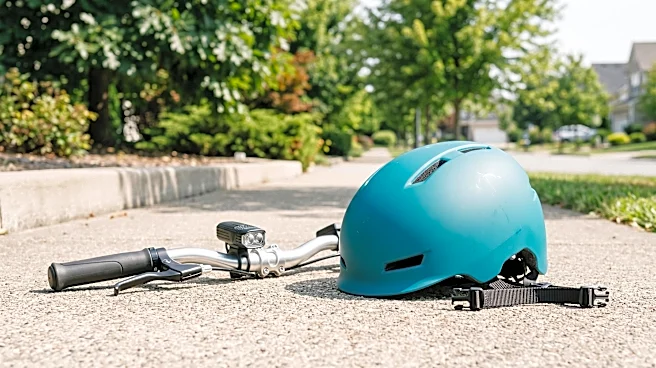
A motorcyclist was hospitalized with non-life-threatening injuries following a collision with a car in downtown Reno on Saturday night. The incident occurred just before 7:30 p.m. at the intersection of N. Virginia Street and E. 4th Street, leading to a temporary
closure of the intersection. Reno Police reported that neither speed nor impairment are believed to be contributing factors in the crash. The driver of the car involved is cooperating fully with the ongoing investigation. The intersection has since been reopened to traffic. This incident marks one of several traffic-related events in the Reno area over the weekend, highlighting ongoing concerns about road safety in the city.
Why It's Important?
This incident underscores the persistent issue of traffic safety in urban areas, particularly concerning vulnerable road users like motorcyclists. While the injuries were not life-threatening, any such incident can lead to significant medical costs, potential lost wages, and emotional distress for those involved. For the city of Reno, frequent traffic incidents can impact traffic flow, emergency response resources, and public perception of road safety. The fact that speed and impairment were ruled out suggests that other factors, such as driver attention or right-of-way issues, might be at play, prompting a need for continued vigilance and potentially further traffic safety initiatives from local authorities. Such events also serve as a reminder for all road users to exercise caution and adhere to traffic laws.
What's Next?
Reno Police will continue their investigation into the specifics of the crash to determine the exact cause. Depending on the findings, this could lead to recommendations for traffic signal adjustments, signage improvements, or increased enforcement at the intersection of N. Virginia Street and E. 4th Street. The motorcyclist will likely undergo medical treatment and recovery. The driver of the car, by cooperating with the investigation, will await the police's conclusions regarding fault. Local traffic safety advocates may use this incident to renew calls for enhanced road safety measures, potentially influencing future urban planning and traffic management strategies in Reno.
Beyond the Headlines
Beyond the immediate impact on those involved, this crash highlights broader urban planning and public safety considerations. The frequency of such incidents in downtown areas often points to the complex interplay of pedestrian, cyclist, motorcyclist, and vehicular traffic in dense environments. It raises questions about the adequacy of current infrastructure to safely accommodate all modes of transport and whether urban design prioritizes efficiency over safety. Long-term, a pattern of such incidents could prompt a re-evaluation of traffic engineering principles, the implementation of 'Vision Zero' initiatives aimed at eliminating traffic fatalities and serious injuries, or public awareness campaigns to foster a culture of shared responsibility on the roads. The incident also subtly touches upon the economic impact of traffic accidents on healthcare systems and individual livelihoods.