



What's Happening?
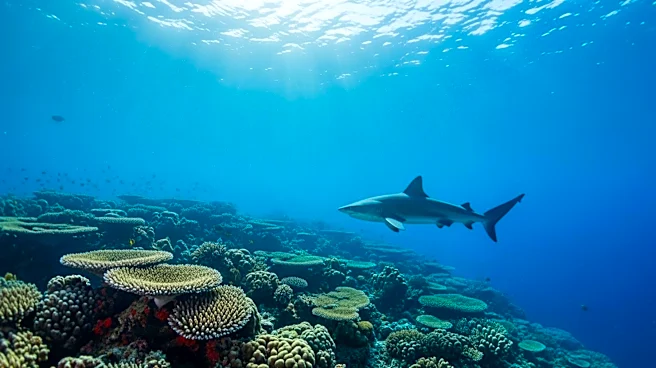
A spearfisher was fatally mauled by a shark on the Great Barrier Reef, marking Australia's second fatal shark attack in just over a week. The 39-year-old victim was diving with friends at Kennedy Shoal when the attack occurred. The species of shark involved
is currently unknown, but bull sharks have been reported in the area. This incident follows a similar attack off Rottnest Island, highlighting the ongoing risks posed by shark encounters in Australian waters.
Why It's Important?
The recent shark attacks underscore the challenges of balancing human activities with marine wildlife conservation. These incidents can impact tourism and local economies, as fear of shark attacks may deter visitors. Additionally, they raise questions about the effectiveness of current shark management and safety measures. Understanding shark behavior and migratory patterns is crucial for developing strategies to minimize human-shark interactions.
What's Next?
Authorities may review and potentially enhance safety protocols for water activities in shark-prone areas. Public awareness campaigns and research into shark behavior could help mitigate future risks. Collaboration between marine biologists, local communities, and policymakers will be essential in addressing the challenges posed by shark attacks.
Beyond the Headlines
The increase in shark attacks may be linked to environmental changes, such as rising ocean temperatures and altered migratory patterns. This situation highlights the broader impact of climate change on marine ecosystems and the need for adaptive management strategies. It also emphasizes the importance of preserving marine biodiversity while ensuring public safety.