






What's Happening?
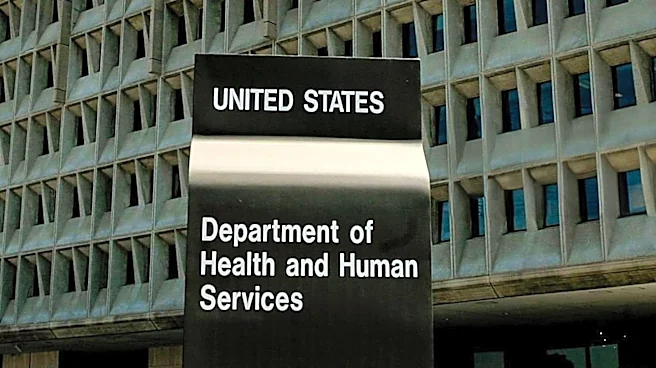
Save the Children has formally submitted detailed comments to the U.S. Department of Health and Human Services (HHS), advocating for the preservation of Head Start's core promise and national quality standards. This action comes in response to proposed
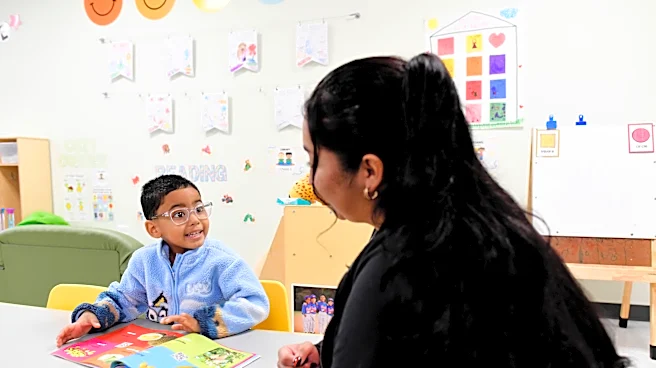
changes by HHS to the Head Start program. Save the Children, which operates Head Start and Early Head Start programs in several rural states, expressed particular concern regarding the potential elimination of national staff-to-child ratios and class-size requirements. The organization argues that replacing these national standards with state-specific requirements could lead to significantly larger classroom sizes in some states, potentially compromising the quality and safety of the program. Head Start has been a vital resource for low-income families for over six decades, providing early education, childcare, health services, and nutritious meals to nearly 40 million children. Save the Children supports efforts to reduce unnecessary paperwork and streamline administrative processes but cautions against changes that could weaken the program's foundational components.
Why It's Important?
The proposed changes to Head Start and Save the Children's response are critically important due to the program's long-standing role as a lifeline for millions of low-income families across the U.S. Head Start provides comprehensive services that are essential for children's development, including early education, health screenings, nutrition, and family support. Weakening national standards, such as staff-to-child ratios and class sizes, could directly impact the quality of care and education received by vulnerable children. This could lead to less individualized attention, reduced safety, and potentially hinder the developmental progress that Head Start aims to foster. The program's success in helping children enter school ready to learn and improving their long-term educational and economic outcomes is well-documented. Any dilution of these standards could have significant negative consequences for the educational trajectory and future well-being of low-income children, perpetuating cycles of poverty and inequality. Furthermore, Head Start serves as an economic engine, supporting approximately 250,000 staff and enabling parents to pursue education and employment opportunities.
What's Next?
Following the submission of comments from organizations like Save the Children, HHS will review all feedback received regarding the proposed changes to Head Start. The department will then decide whether to proceed with the proposed modifications, revise them based on public input, or withdraw them entirely. Stakeholders, including advocacy groups, educators, and parents, will closely monitor HHS's decision. Save the Children and similar organizations will likely continue to engage with HHS and potentially Congress to advocate for the retention of strong national standards. If the proposed changes are implemented, there could be varying impacts across states, with some potentially seeing a decline in Head Start program quality. Conversely, if HHS opts to maintain or strengthen existing standards, it would reinforce the program's commitment to high-quality early childhood education and comprehensive services for low-income families. The outcome will significantly shape the future of early childhood development support in the U.S.
Beyond the Headlines
The debate over Head Start standards extends beyond administrative efficiency to fundamental questions about equity, access, and the role of federal programs in ensuring quality early childhood education. The proposed changes highlight a tension between local flexibility and national consistency in program delivery. While local flexibility can allow programs to adapt to unique community needs, a lack of national baseline standards could create disparities in quality and outcomes for children depending on their geographic location. This raises ethical concerns about whether all children, regardless of their zip code, should have access to the same high-quality early learning experiences. The long-term implications could include a widening achievement gap between children from different socioeconomic backgrounds, impacting future workforce development and societal mobility. The discussion also touches on the broader philosophical debate about federal oversight versus state control in social welfare programs, with potential ripple effects on other federally funded initiatives aimed at supporting vulnerable populations.