






What's Happening?
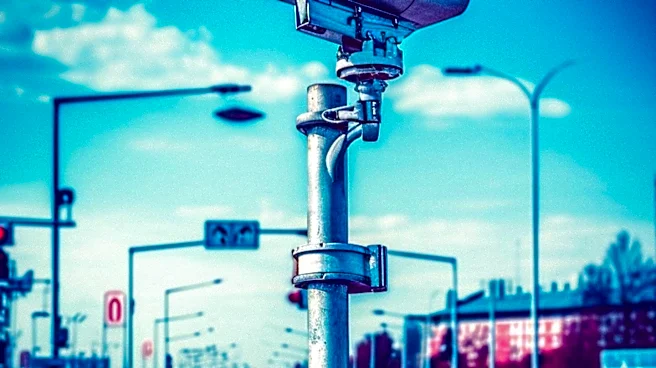
AI cameras are increasingly being used in U.S. cities for traffic enforcement, capable of detecting violations such as texting while driving and seatbelt noncompliance. These cameras, like those from Acusensus, can capture high-speed images of drivers
and transmit evidence to police for potential traffic stops. While proponents argue that AI cameras enhance road safety by deterring violations, critics raise privacy concerns about the invasive nature of these technologies. The use of AI in traffic enforcement is part of a broader trend of integrating advanced technologies into public safety measures, but it also highlights the tension between safety and privacy.
Why It's Important?
The deployment of AI cameras for traffic enforcement reflects a growing trend towards using technology to enhance public safety. These systems can potentially reduce traffic violations and improve road safety by providing real-time data to law enforcement. However, the use of AI in this context raises significant privacy concerns, as these cameras can capture detailed images of drivers and their activities. The balance between leveraging technology for safety and protecting individual privacy is a critical issue that policymakers and the public must address. The outcome of this debate could influence the future of AI applications in public safety and surveillance.