




What's Happening?
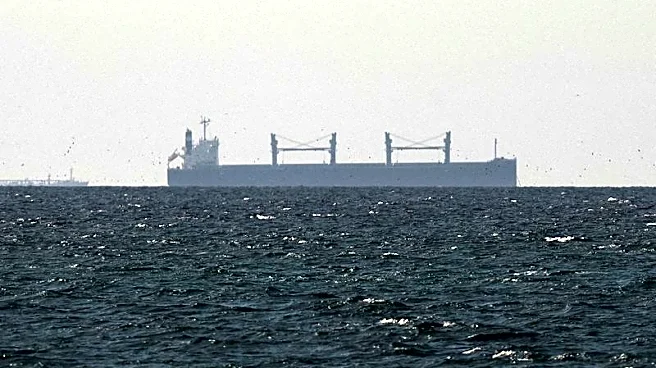
Oil prices have increased following President Trump's threat to target Iranian energy facilities if the Strait of Hormuz is not reopened. Brent crude rose by 1.4% to $110.60, while US crude increased by 1.8% to $113.60. The threat comes after a previous
ultimatum to Iran, which was extended to April 6. Iran has stated that the strait will remain closed until it receives compensation for war damages. The situation has led to concerns among OPEC+ nations about potential attacks on energy sites.
Why It's Important?
The Strait of Hormuz is a critical chokepoint for global oil shipments, and its closure can significantly impact global oil supply and prices. The rise in oil prices affects the US economy, leading to higher gasoline prices, which have reached their highest levels since 2022. This situation highlights the geopolitical risks associated with energy markets and the potential for increased tensions between the US and Iran. The economic implications are broad, affecting consumers, businesses, and financial markets.
What's Next?
The ongoing tensions may lead to further diplomatic efforts to resolve the situation. Oman has already engaged in discussions with Iran to allow ships through the strait. The outcome of these talks could influence future oil prices and market stability. Additionally, OPEC+ nations may adjust their production strategies in response to the evolving situation. The US government and international bodies will likely continue to monitor developments closely, considering potential economic and security implications.