






What's Happening?
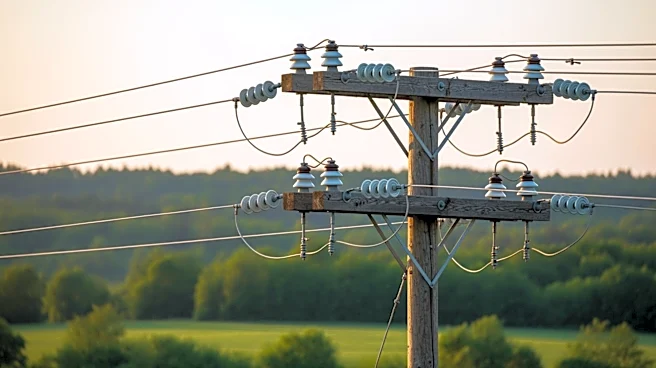
Rural electric cooperatives across the United States are facing significant challenges due to increasing electricity demand, rising costs, and evolving policy pressures. These cooperatives, which serve 42 million people over 54% of the nation's land area,
are adapting to surging demand from data centers and other sectors. Jim Matheson, CEO of the National Rural Electric Cooperative Association (NRECA), highlighted the unique consumer-focused model of co-ops, which are not-for-profit and governed by locally elected boards. The cooperatives are grappling with supply chain issues and regulatory changes that impact their ability to provide affordable and reliable electricity.
Why It's Important?
The situation underscores the critical role rural electric cooperatives play in the U.S. energy landscape, particularly in underserved areas. As demand for electricity grows, these co-ops must balance affordability with the need to invest in infrastructure and new technologies. The challenges they face are indicative of broader trends in the energy sector, including the transition to renewable energy sources and the need for regulatory reform. The ability of co-ops to navigate these challenges will have significant implications for energy access and economic development in rural communities.
What's Next?
Co-ops are likely to continue advocating for policy changes that support their operational needs, such as permitting reform and adjustments to federal lending caps. They may also explore new technologies, such as long-duration energy storage, to enhance their service capabilities. The ongoing dialogue between co-ops and policymakers will be crucial in shaping the future of rural energy provision and ensuring that these communities are not left behind in the energy transition.