
What's Happening?
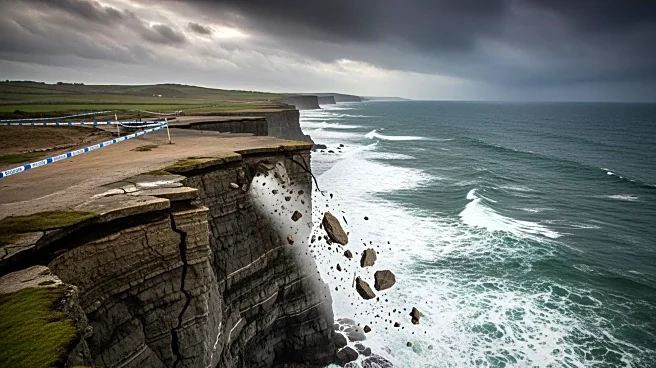
Heavy rainfall from Storm Byron has led to the collapse of coastal cliffs between Hefer Valley and Netanya. While no injuries have been reported, local officials have expressed concerns about ongoing national
safety risks. They have criticized the state for not allocating sufficient funding for coastal protection measures. The collapse highlights the vulnerability of coastal areas to extreme weather events, which are becoming more frequent due to climate change.
Why It's Important?
The collapse of the cliffs near Netanya underscores the urgent need for improved infrastructure and safety measures in coastal regions. As climate change continues to increase the frequency and intensity of storms, the risk to coastal communities grows. This event serves as a reminder of the potential consequences of inadequate funding and preparation for natural disasters. It also raises questions about the government's role in protecting its citizens and infrastructure from environmental threats.
What's Next?
Local officials are likely to push for increased funding and resources to address the safety risks posed by coastal erosion and extreme weather events. There may be calls for a comprehensive review of current coastal protection strategies and the implementation of new measures to prevent future incidents. The government may face pressure to prioritize climate adaptation and disaster preparedness in its policy agenda.
Beyond the Headlines
The collapse of the cliffs may have broader implications for environmental policy and public awareness of climate change impacts. It could lead to increased advocacy for sustainable development practices and greater investment in climate resilience. Additionally, this event might influence public opinion on the importance of government action in addressing environmental challenges.