


What's Happening?
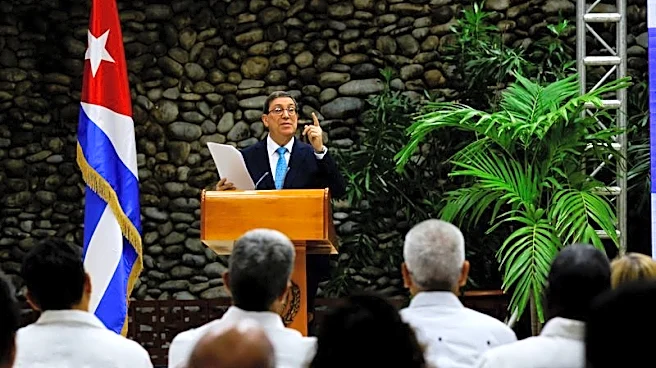
Gholamhossein Mohseni-Eje’i, the Chief Justice of the Islamic Republic of Iran, recently attended the Meeting of Chief Justices of BRICS Member and Partner States in New Delhi. During this international forum, he discussed principles such as the rule
of law, public trust in the judiciary, and the role of the judicial system in facilitating international investment. However, just days prior to his participation, Mohseni-Eje’i issued a stern warning domestically in Tehran, stating that the judiciary would act 'more decisively than ever before' in prosecuting and punishing protesters. He also indicated that the government's response to any new protests would be 'more decisive than in all previous periods.' This timing highlights a significant discrepancy between the Iranian judiciary's international discourse on legal security and its domestic stance on suppressing dissent. United Nations bodies and Special Rapporteurs have repeatedly expressed concerns regarding violations of due process and the misuse of security charges against citizens in Iran.
Why It's Important?
This dual approach by Iran's Chief Justice is important because it exposes a fundamental contradiction in the country's legal and political strategy. On one hand, Iran seeks to engage with international bodies like BRICS, advocating for principles of judicial trust and the rule of law, which are crucial for attracting foreign investment and fostering international cooperation. On the other hand, the domestic threats of harsher crackdowns on protesters undermine these very principles, raising questions about the sincerity of Iran's international commitments. This inconsistency can impact Iran's credibility on the global stage, potentially deterring foreign businesses and investors who rely on a predictable and fair legal system. For the U.S. and its allies, this situation reinforces concerns about human rights in Iran and the regime's internal policies, potentially influencing diplomatic relations and sanctions enforcement. The discrepancy also highlights the challenges faced by international organizations in holding nations accountable for human rights while engaging them on other fronts.
What's Next?
The international community, particularly UN human rights mechanisms, is expected to rigorously examine this divide between Iran's international rhetoric and its domestic actions. Special Rapporteurs on human rights in Iran and on the independence of judges and lawyers are urged to engage directly with Chief Justice Mohseni-Eje’i to seek clarification on how principles of the rule of law and judicial predictability are applied domestically, especially in cases involving protesters and civil activists. There will likely be increased scrutiny on the role of senior judicial officials in alleged due process violations. UN mechanisms may also establish thematic files on the judiciary's role in repression and systematically benchmark Iran's international positions against its domestic judicial practices. This could lead to further calls for accountability for responsible officials and requests for independent review of protest-related case files, potentially influencing future international sanctions or diplomatic pressures.
Beyond the Headlines
The deeper implication of this situation lies in the ethical and legal dimensions of international engagement with states that exhibit such stark contradictions between their external and internal policies. It raises questions about whether international forums inadvertently legitimize regimes by providing a platform for their officials, even as those regimes violate fundamental human rights at home. The concept of 'judicial trust' becomes bifurcated: one standard for international commerce and another, more punitive one, for citizens. This dual standard can erode the universal applicability of human rights principles and the rule of law. Furthermore, it highlights the long-term challenge of promoting democratic values and human rights in countries where the judiciary is perceived as a tool for regime survival rather than an independent arbiter of justice. The international community's response will set a precedent for how it addresses similar inconsistencies in other nations, potentially shaping the future of human rights advocacy and international law.