




What's Happening?
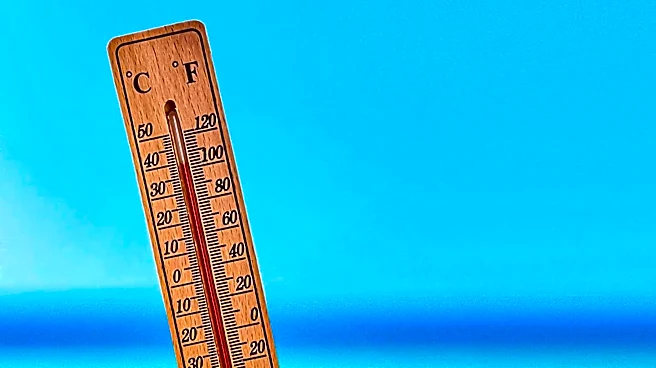
A dangerous heatwave is currently gripping the Southern United States, with forecasts indicating that triple-digit temperatures and stifling humidity will persist throughout the week, extending from Texas to Florida and the Carolinas. This prolonged heat is attributed
to a stubborn atmospheric feature known as a heat dome. The combination of extreme heat and muggy conditions has already pushed heat indices above 105 degrees Fahrenheit, and in some areas like southern Georgia, coastal South Carolina, the Florida Panhandle, and the mid-South region around Memphis, they have even exceeded 110 degrees. While Kentucky, Tennessee, and the southern Appalachians might experience some slight relief by late this weekend, the rest of the South is expected to endure these extreme conditions for at least much of next week, if not longer. Many parts of the South will see highs in the mid-90s, with numerous locations, particularly away from the Gulf Coast, reaching upper 90s or even 100s, threatening daily record highs.
Why It's Important?
This extended heatwave carries significant public health risks, as heat is identified as the leading weather-related killer in the U.S., responsible for hundreds of fatalities annually. The lack of significant overnight cooling, with morning lows potentially remaining in the mid-70s or even low 80s in larger metropolitan areas, exacerbates the danger, especially for vulnerable populations without access to air conditioning. The prolonged exposure to high temperatures and humidity can lead to heat exhaustion and heat stroke, placing a considerable strain on healthcare systems. Economically, the heatwave could impact outdoor labor productivity and increase energy consumption for cooling, potentially straining power grids. The persistent heat also has implications for agriculture, with potential stress on crops and livestock, and could contribute to drought conditions in already susceptible regions.
What's Next?
The heatwave is expected to continue for at least another week across much of the Southern U.S., with cooler air only gradually nudging into the region after taking over the Midwest. Residents are advised to take precautions to avoid heat-related illnesses, including staying hydrated, seeking air-conditioned environments, and limiting outdoor activities during peak heat hours. Checking on vulnerable individuals such as the elderly and those with chronic illnesses is also crucial. Emergency services and public health officials will likely remain on high alert, providing guidance and resources to mitigate the health impacts of the extreme temperatures. The long-term forecast suggests that the heat dome will remain a dominant factor, indicating that relief may not be immediate or widespread.
Beyond the Headlines
The recurring and intensifying heatwaves in the U.S. highlight broader climate trends and the increasing need for robust climate adaptation strategies. The disproportionate impact on urban areas, where the 'urban heat island' effect can lead to even higher temperatures, underscores existing social inequalities, as access to green spaces, shade, and air conditioning often varies by socioeconomic status. This situation prompts discussions about urban planning, infrastructure resilience, and public health policies designed to protect communities from extreme weather events. The long-term implications extend to changes in lifestyle, work patterns, and resource management, as communities grapple with the new normal of more frequent and severe heat events. The current heatwave serves as a stark reminder of the ongoing challenges posed by a changing climate and the urgency of implementing sustainable solutions.