





What's Happening?
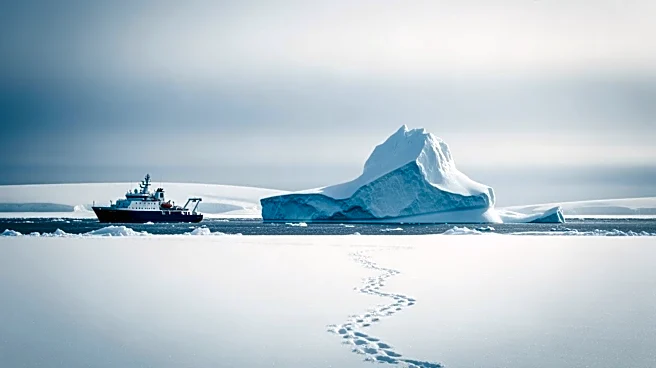
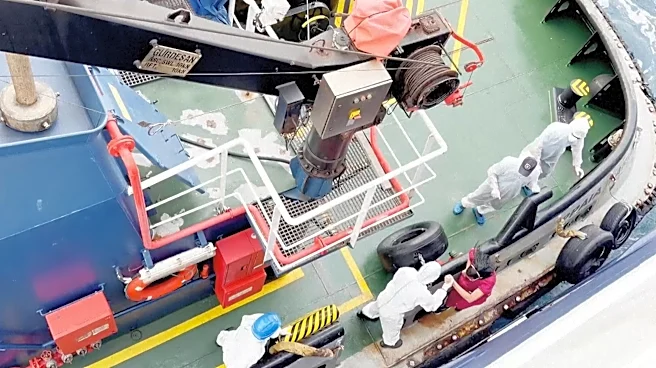
Tourism to Antarctica is increasing rapidly, driven by fears of irreversible melting due to climate change. This surge in visitors has raised alarms among scientists and environmentalists about potential contamination and disease risks. A recent hantavirus
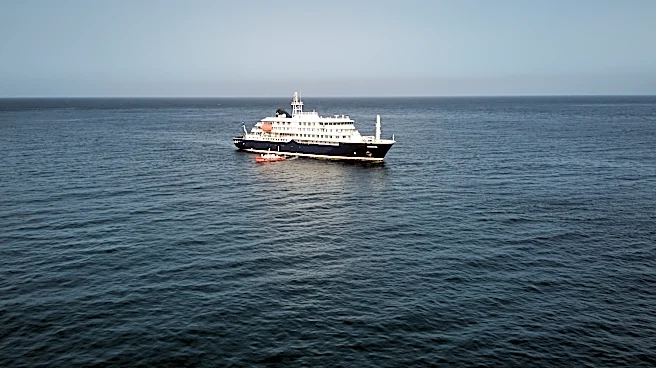
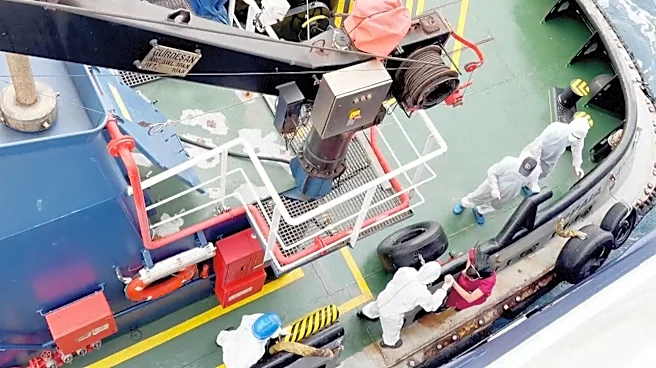
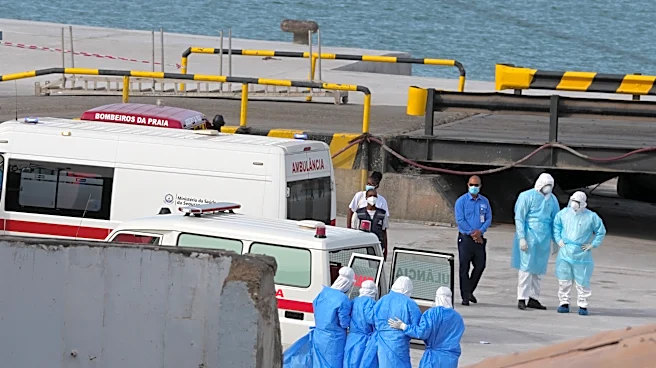
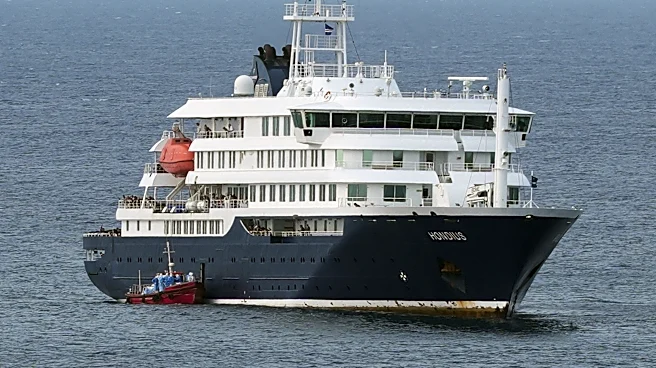
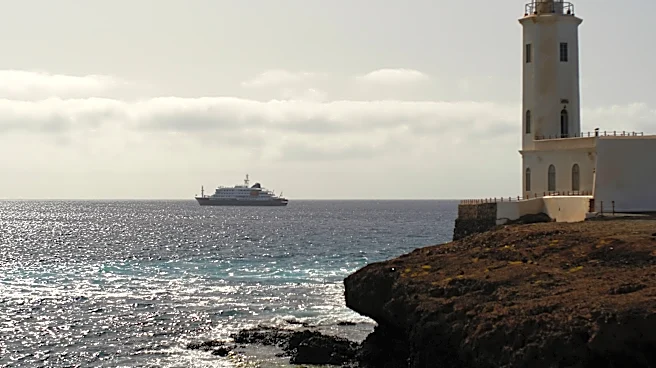
outbreak on a Dutch cruise ship has highlighted these concerns. The ship, MV Hondius, followed a common route from Argentina to Antarctica, a region experiencing significant ice melt. The World Health Organization is investigating the outbreak, suspecting the virus was contracted before boarding. The Antarctic Treaty governs the region, aiming to protect its environment, but the rise in tourism challenges these protections.
Why It's Important?
The increase in Antarctic tourism poses significant environmental and health risks. The potential for contamination and disease outbreaks could threaten the fragile ecosystem and the health of visitors. The region's rapid warming and ice melt are already critical issues, and increased human activity could exacerbate these problems. The tourism boom also tests the effectiveness of existing environmental protections under the Antarctic Treaty. As more tourists visit, the need for stricter regulations and enforcement becomes crucial to preserve the continent's unique environment and prevent ecological damage.
What's Next?
The growing tourism trend in Antarctica is likely to continue, with projections suggesting a significant increase in visitor numbers. This will necessitate stronger regulatory measures to protect the environment and manage health risks. The upcoming Antarctic Treaty Consultative Meeting may address these challenges, potentially leading to new guidelines or amendments to existing regulations. Stakeholders, including environmental groups and tour operators, will need to collaborate to ensure sustainable tourism practices that minimize ecological impact and safeguard public health.