






What's Happening?
The U.S. military has nearly exhausted its stockpile of long-range precision missiles, including Army Tactical Missile Systems (ATACMS) and Precision Strike Missiles (PrSM), during the ongoing conflict with Iran. This depletion raises concerns about the military's
readiness for future conflicts with adversaries like Russia and China. The conflict, initiated by President Trump in February, has stretched into its fifth month, straining U.S. weapons reserves. The Pentagon is working to replenish stockpiles, with defense companies ramping up production to meet demand.
Why It's Important?
The missile shortage highlights vulnerabilities in the U.S. military's strategic capabilities, potentially impacting its ability to respond to global threats. The reliance on long-range missiles for safe, effective strikes underscores their importance in modern warfare. The depletion of these stockpiles could limit the U.S.'s deterrence capabilities, affecting geopolitical stability and national security. The situation also emphasizes the need for efficient supply chain management and production scalability in the defense sector.
What's Next?
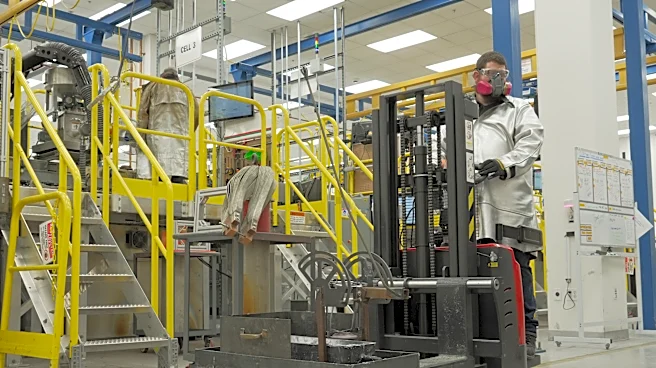
Efforts to replenish missile stockpiles are underway, with defense companies like Lockheed Martin and Raytheon increasing production. The U.S. military may need to reassess its strategic priorities and resource allocation to ensure readiness for future conflicts. Ongoing discussions within the Trump administration will likely focus on balancing current military operations with long-term defense needs. The situation may also prompt legislative scrutiny and calls for increased defense spending to address potential gaps in military capabilities.