






What's Happening?
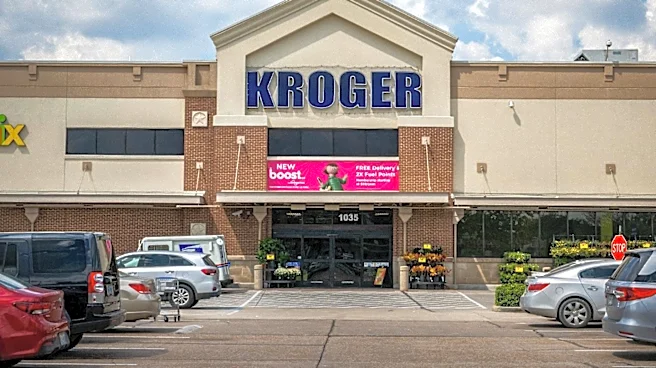
Kroger Pharmacy is expanding its prescription pickup services to offer greater convenience and flexibility for patients across the United States. The pharmacy network, integrated within Kroger grocery stores, now provides drive-through, curbside, and traditional
in-store pickup options. Drive-through service allows patients to receive prescriptions without leaving their vehicles, while curbside pickup enables customers to park and contact a pharmacist when their order is ready. In-store pickup remains available for those who prefer face-to-face interaction, with pharmacy counters typically located near the front of stores. Additionally, Kroger Pharmacy offers home delivery for individuals with limited mobility or complex medication regimens, shipping prescriptions directly to patients' doors on a scheduled basis. The availability of these services, along with varying operating hours, depends on local demand, labor availability, and state regulations, making it essential for customers to check specific hours for their location via the Kroger website or mobile app.
Why It's Important?
The expansion of Kroger Pharmacy's pickup options is significant for improving healthcare accessibility and medication adherence for millions of Americans. For patients managing chronic conditions such as diabetes, hypertension, or asthma, timely access to medications is crucial for preventing complications and emergency room visits. The diverse pickup methods cater to different patient needs, reducing wait times and enhancing the overall pharmacy experience. Drive-through and curbside services offer convenience for busy individuals and those with mobility challenges, while home delivery provides a vital alternative for vulnerable populations. Pharmacists at Kroger also serve as accessible healthcare professionals, offering consultations on drug interactions, side effects, and adherence strategies, which is critical for patient safety and effective treatment outcomes. The ability to manage prescriptions through digital tools further empowers patients to optimize their pharmacy visits and maintain consistent medication schedules.
What's Next?
Kroger Pharmacy will continue to adapt its services to meet evolving healthcare needs, with potential adjustments in staffing and extended operating hours, including night-time immunizations and weekend services in some regions. Patients are encouraged to utilize digital tools, such as the Kroger Pharmacy portal and mobile app, to view estimated wait times, request refills, and track fulfillment progress. Enrollment in medication synchronization programs (Sync) is also recommended for those taking multiple maintenance medications, as it simplifies schedules and reduces pharmacy visits. For immunizations and travel health needs, patients should call ahead to confirm availability and any documentation requirements. Kroger also offers various prescription savings programs, including a $4 generic drug initiative and club membership-linked discounts, which patients can explore to manage costs. The ongoing integration of technology, such as automated dispensing systems and barcode scanning, will further enhance accuracy and safety, while pharmacists will continue to provide personalized consultations.
Beyond the Headlines
The evolution of pharmacy services at Kroger reflects a broader trend in the healthcare industry towards patient-centric care and the integration of technology to improve accessibility and efficiency. The emphasis on multiple pickup options and home delivery addresses the growing demand for convenience and caters to diverse lifestyles and health needs. This shift also highlights the expanding role of pharmacists beyond dispensing medications, positioning them as accessible healthcare professionals who provide essential counseling and support. The focus on medication adherence through services like Sync underscores the critical link between convenient access and improved health outcomes, particularly for patients with chronic conditions. Furthermore, the availability of various savings programs demonstrates an effort to mitigate the financial burden of prescriptions, making healthcare more affordable for a wider population. This comprehensive approach to pharmacy services contributes to a more integrated and responsive healthcare ecosystem in the U.S.