




What's Happening?
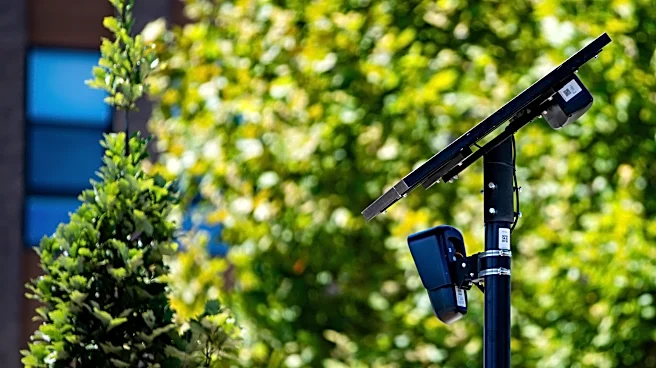
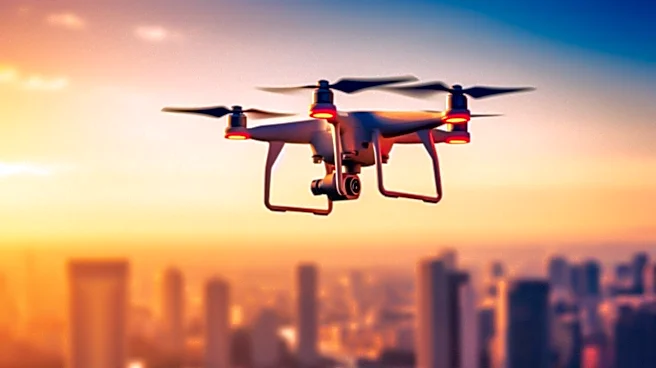
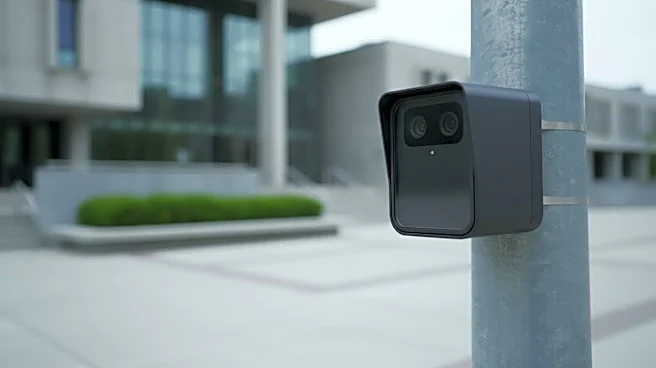
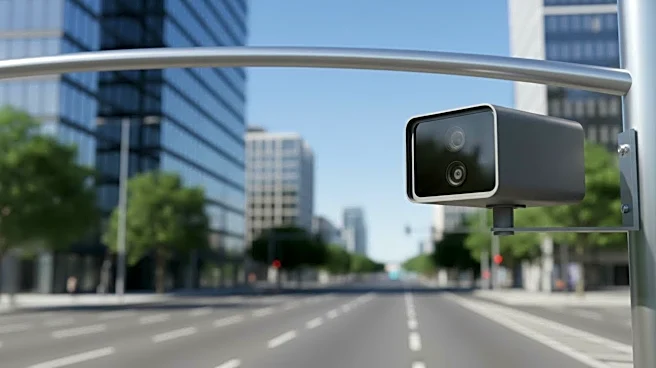
Flock Safety, a U.S. surveillance technology company, is significantly expanding its operations to include drones for first-responder situations, moving beyond its current network of automated license plate readers and AI-powered cameras. This strategic
shift comes as the company faces increasing scrutiny and backlash from civil liberties groups and digital rights advocates regarding its existing surveillance practices. Flock Safety's CEO and founder, Garrett Langley, indicated that drones are currently the company's fastest-growing business unit and are projected to account for nearly half of its future revenue. Langley described drones as the 'next big chapter in law enforcement,' potentially as impactful as police body cameras. This expansion is occurring despite ongoing 'deflock' actions and grassroots opposition to license plate readers, which have led some cities, including Los Angeles, to pause or cancel contracts with the company due to concerns about misidentification and potential abuse of the network to target vulnerable populations. Activists have also resorted to physically disabling Flock cameras as a form of protest.
Why It's Important?
The expansion of Flock Safety's surveillance capabilities into drone technology has significant implications for individual privacy and civil liberties in the U.S. The company's existing network, which broadly collects and shares location data, has already raised concerns among privacy advocates. The introduction of drones, which can operate from the sky and are harder to disable, could intensify these concerns by enabling more pervasive tracking and data collection. This development highlights the ongoing tension between community safety and personal privacy, a debate that Flock Safety's CEO acknowledges the company is at the center of. While the company claims its cameras, including those on drones, are not used for facial recognition or looking inside cars, investigations have suggested the existence of code that could expand capabilities to identify drivers and vehicles based on movement patterns. This raises questions about the potential for mission creep and the future scope of surveillance technologies in law enforcement and public safety.
What's Next?
The increased focus on drones by Flock Safety is likely to intensify the debate surrounding surveillance technology and privacy rights in the U.S. Civil liberties groups, such as the American Civil Liberties Union (ACLU), have already issued reports highlighting the privacy dangers presented by drones. These organizations will likely continue to advocate for greater transparency and regulation regarding drone usage by both private companies and law enforcement. Municipalities and local communities may face renewed pressure to evaluate or reconsider their partnerships with Flock Safety, especially as public awareness of the company's drone initiatives grows. The company's plan to manufacture its own drones in Georgia and deploy them as first-responder devices suggests a rapid rollout of this technology, which could lead to more widespread deployment and, consequently, more instances of public and legal challenges. The ongoing tension between technological advancement for safety and the protection of individual privacy will likely remain a prominent issue.
Beyond the Headlines
The shift towards drone surveillance by Flock Safety represents a deeper societal trend concerning the increasing integration of advanced technology into public safety and law enforcement. This development raises profound ethical and legal questions about the boundaries of surveillance in a democratic society. The ability of drones to collect high-resolution data from inaccessible vantage points could fundamentally alter the nature of public space and the expectation of privacy. The potential for these systems to generate suspect lists by integrating vehicle scan data with police incident reports and arrest records, as suggested by investigations, points to a future where algorithmic policing could become more prevalent. This could lead to disproportionate targeting of certain communities or individuals, exacerbating existing social inequalities. The lack of clear regulations and oversight for such technologies could erode public trust and necessitate a re-evaluation of current legal frameworks to protect civil liberties in an increasingly surveilled environment.