





What's Happening?
Oregon Governor Tina Kotek has publicly announced her support for a statewide moratorium on new data centers and has issued an order to state agencies to immediately pause unapproved requests for state-owned property for data center projects. This shift
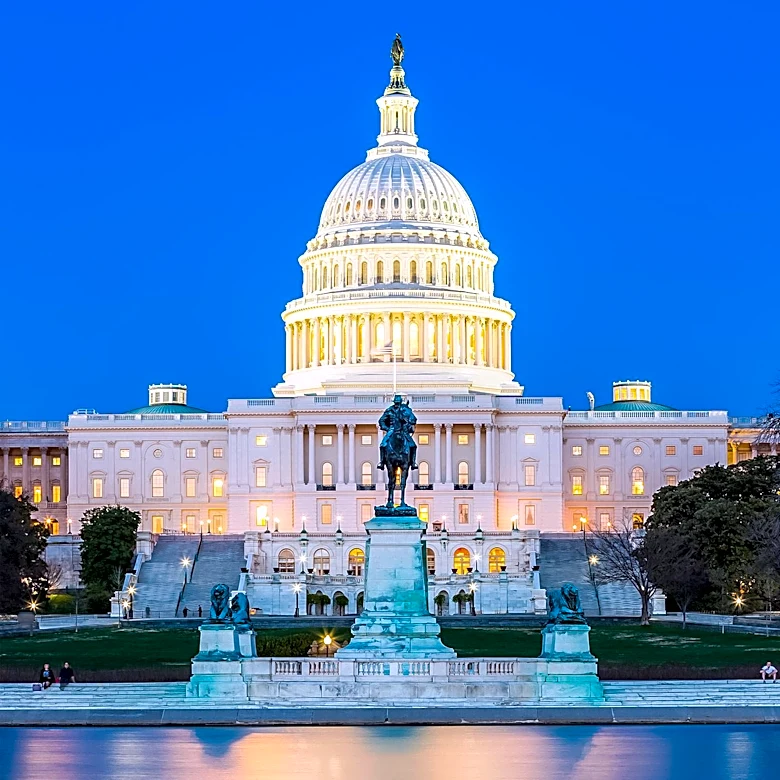
in stance was revealed at an anti-data center rally outside the Capitol building in Salem, where Kotek expressed her commitment to protecting Oregon's interests. The order specifically targets easements, rights-of-way, leases, rentals, land-use permits, and sales or transfers of state-owned property for data center developments. This move marks a significant escalation in her position, moving from supporting local moratoriums to advocating for a sweeping statewide policy. Her office has directed state agencies to submit status reports by September 14 regarding any halted proposals. This decision comes amidst growing public opposition to data centers, with recent polling indicating that over 70% of Oregonians hold negative views of them and 66% favor a moratorium.
Why It's Important?
Governor Kotek's announcement is significant for several reasons, particularly in the context of Oregon's economic and environmental landscape. The state has been a hub for data center development for decades, attracting major tech companies like Amazon and Meta due to favorable conditions, including generous property tax breaks. However, this growth has led to increasing concerns about the environmental impact, specifically regarding water, energy consumption, and air quality. A statewide moratorium could significantly alter the trajectory of tech infrastructure development in Oregon, potentially deterring future investments from large tech firms. For existing data centers, the policy shift might lead to increased scrutiny and potentially new regulations. The move also highlights the growing influence of public sentiment on policy decisions, as voter outrage over data centers has become a prominent issue. This could set a precedent for other states grappling with similar concerns about the environmental footprint of the tech industry.
What's Next?
Following Governor Kotek's announcement, the immediate next step involves state agencies submitting status reports by September 14 on any data center projects on state-owned land that have been paused. Kotek has indicated that she will advocate for lawmakers to pass a temporary data center ban when they convene next year, suggesting that legislative action will be a key focus. The Data Center Advisory Committee, which was initially expected to provide a full report by October, will now issue a 'preliminary learnings and questions document' this week and send recommendations to the governor by the end of the year. This will likely inform the specifics of any proposed legislation. The issue is also expected to remain a central point of contention in Kotek's reelection campaign against Republican state Sen. Christine Drazan, who has criticized Kotek's past stance on tax breaks for data centers. Stakeholders, including tech companies, environmental groups, and local communities, will be closely watching these developments, with potential legal challenges or lobbying efforts from the industry possible.
Beyond the Headlines
Beyond the immediate policy implications, Governor Kotek's decision reflects a broader societal reevaluation of the costs and benefits of rapid technological expansion. The pushback against data centers in Oregon, fueled by concerns over resource consumption and tax incentives, underscores a growing tension between economic development and environmental sustainability. This situation highlights the ethical dilemma of balancing the demands of the digital economy, which relies heavily on data infrastructure, with the imperative to protect natural resources and ensure equitable development. The debate also touches upon the concept of 'digital colonialism,' where large tech companies from outside a region consume local resources without fully internalizing the environmental and social costs. The outcome in Oregon could influence how other states and countries approach the regulation of data centers, potentially leading to a more critical assessment of the industry's footprint and a greater emphasis on sustainable practices and local community benefits.