







What's Happening?
The Organisation for Economic Co-operation and Development (OECD) has released an interim Economic Outlook report highlighting the impact of ongoing conflict in the Middle East on the global economy. The report notes that disruptions in shipments through
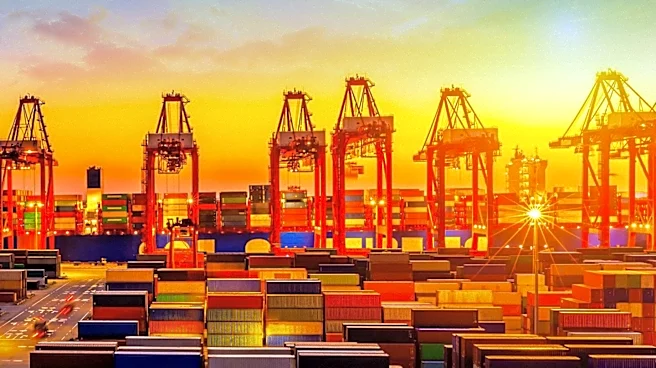
the Strait of Hormuz and damage to energy infrastructure have led to a significant increase in energy prices. This surge is affecting global supply chains, raising costs, and contributing to inflationary pressures. The report also forecasts India's GDP growth rate at 7.6% for 2025-26, maintaining its status as the world's fastest-growing major economy. Meanwhile, China's growth rate is expected to decline from 5.0% in 2025 to 4.4% in 2026, influenced by various factors including higher energy import prices and adjustments in the real estate sector.
Why It's Important?
The OECD's report underscores the vulnerability of the global economy to geopolitical tensions, particularly in regions critical to energy supply. The rise in energy prices can have widespread implications, including increased production costs for businesses and higher consumer prices, potentially slowing economic growth. For the U.S., these developments may affect domestic energy markets and inflation rates, influencing monetary policy decisions. Additionally, the report's focus on India's economic growth highlights shifting dynamics in global economic power, with potential implications for U.S. trade and investment strategies.
What's Next?
As the Middle East conflict continues, stakeholders in the energy sector may seek alternative supply routes or increase investment in energy infrastructure to mitigate disruptions. Policymakers in the U.S. and other affected countries might consider strategic reserves or diplomatic efforts to stabilize energy markets. The OECD's projections for India and China could influence international economic policies and bilateral trade agreements, as countries adjust to changing growth patterns.