





What's Happening?
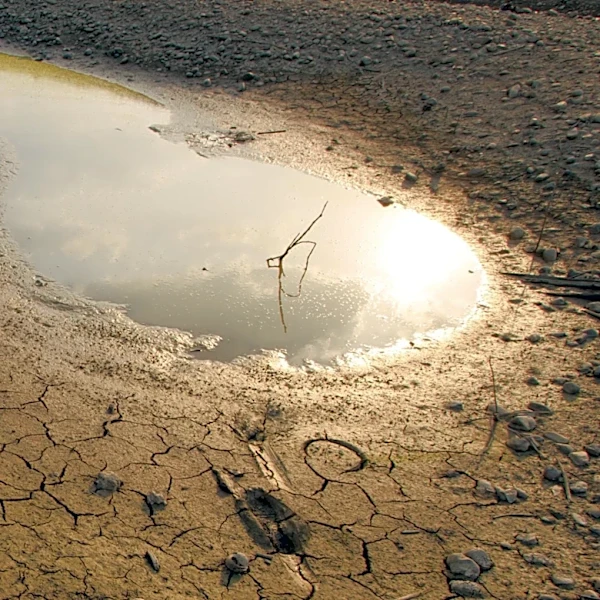
Oklahoma's drought conditions are showing signs of improvement, with recent rainfall easing dry conditions across parts of the state. According to the latest Drought Monitor, exceptional drought has decreased, now covering 7.10% of Oklahoma. Moderate
to extreme drought conditions currently affect 87.31% of the state, while 12.58% is experiencing only abnormally dry conditions, which is the lowest tier on the drought monitor. This improvement comes as the state anticipates further rain, with a 6-to-10-day precipitation outlook map indicating a 50-60% chance of rain through November 7th. While the western U.S. has also seen some improvements in dryness and drought, particularly in New Mexico, central and northern Arizona, and Nevada, long-term moisture deficits persist in many areas. The South Region has experienced varied trends, with heavy precipitation in western Texas and Oklahoma leading to improvements, while eastern areas like the Lower Mississippi Valley, Tennessee, and parts of Arkansas and Louisiana have seen broad-scale deterioration due to sparse rainfall and abnormally warm weather.
Why It's Important?
The easing of exceptional drought in Oklahoma is significant for the state's agricultural sector and water resources. Prolonged drought conditions can severely impact crop yields, livestock, and the overall economic stability of farming communities. A reduction in the most severe drought category, coupled with increased chances of rain, offers a glimmer of hope for farmers and ranchers who have been grappling with water scarcity. The continued presence of moderate to extreme drought across a large portion of the state, however, underscores the ongoing vulnerability of Oklahoma's environment and economy to climatic fluctuations. The contrasting trends in the broader South Region highlight the regional disparities in weather patterns and their localized impacts, emphasizing the need for tailored drought mitigation and water management strategies. For the U.S. as a whole, persistent drought in key agricultural regions can lead to higher food prices and supply chain disruptions, affecting consumers nationwide.
What's Next?
Oklahoma is looking ahead to continued rainfall, with a 50-60% chance of rain predicted through November 7th. This precipitation could further alleviate drought conditions, potentially leading to more widespread improvements in the coming weeks. State agricultural agencies and water management authorities will likely continue to monitor the situation closely, assessing the impact of the rainfall on water reservoirs and soil moisture levels. Farmers will be evaluating planting schedules and crop choices based on the evolving drought outlook. In regions where drought conditions are worsening, such as parts of the Lower Mississippi Valley, there may be increased calls for federal assistance and the implementation of emergency water conservation measures. The long-term hydrological deficit in the western U.S. suggests that even with increased precipitation, a full recovery may require sustained wet seasons, prompting ongoing discussions about long-term water infrastructure and climate resilience strategies.
Beyond the Headlines
The fluctuating drought conditions in Oklahoma and across the U.S. highlight the broader challenges posed by climate variability and change. While short-term rainfall can offer temporary relief, the underlying patterns of drought and extreme weather events are becoming more frequent and intense. This necessitates a re-evaluation of traditional agricultural practices, water management policies, and urban planning to build greater resilience against future climatic shocks. The economic implications extend beyond agriculture, affecting industries reliant on water, such as energy production and manufacturing. Furthermore, the social fabric of communities can be strained by prolonged drought, leading to population shifts and increased competition for dwindling resources. Addressing these deeper implications requires a comprehensive approach that integrates scientific research, technological innovation, and collaborative governance to foster sustainable water use and adaptation strategies in the face of an uncertain climate future.