



What's Happening?
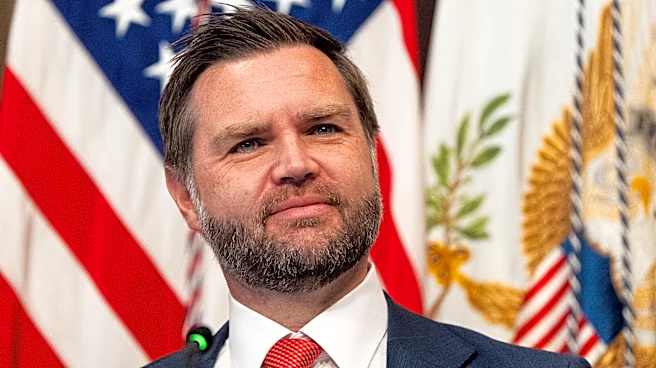
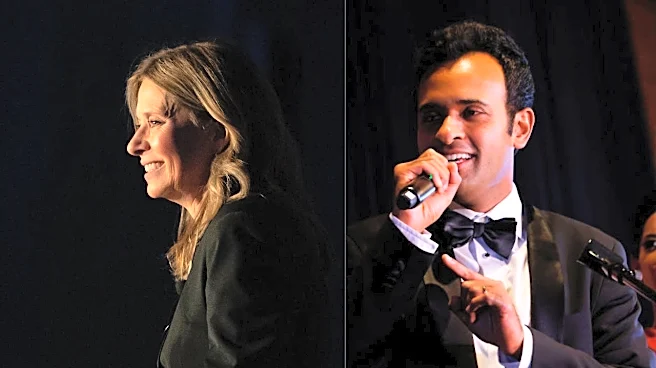
The Ohio Democratic Party has issued a statement criticizing Vivek Ramaswamy's proposals regarding Social Security and other entitlement programs. According to new reporting from The Ohio Independent, Ramaswamy advocates for privatizing Social Security,
a move the Ohio Democratic Party claims would result in less retirement income and increased healthcare costs for Ohioans. Ramaswamy, during his unsuccessful presidential campaign, suggested replacing the current Social Security system with one that allows for investment of retirement funds in stocks and bonds. He reiterated this view in an August 2023 town hall and a February 2024 interview with AARP, arguing that investing Social Security money in a diversified portfolio would lead to a surplus. Additionally, Ramaswamy has referred to Medicare and Medicaid as 'mistakes,' particularly the welfare state without work requirements, believing it has harmed the very people it was intended to help. The Ohio Democratic Party highlights that over 2 million Ohioans receive Social Security benefits, approximately 2.5 million rely on Medicare, and 3 million are covered by Ohio Medicaid, including 65,000 veterans and 44% of Ohio's children.
Why It's Important?
Vivek Ramaswamy's proposals to privatize Social Security and his views on Medicare and Medicaid carry significant implications for millions of Americans, particularly in Ohio. If Social Security funds were invested in the stock market, as Ramaswamy suggests, future beneficiaries could face substantial financial risk. Experts warn that benefits would no longer be fixed but would fluctuate based on market performance, potentially leaving retirees with considerably less income during economic downturns or market crashes. This shift would transfer investment risk from the government to individual beneficiaries, fundamentally altering the nature of retirement security. Furthermore, his characterization of Medicare and Medicaid as 'mistakes' suggests a potential for significant cuts or restructuring of these programs. Such changes could severely impact the healthcare access and financial stability of vulnerable populations, including the elderly, low-income individuals, and veterans, who depend on these programs for essential medical care and financial support. The Ohio Democratic Party's strong opposition underscores the political and social sensitivity surrounding these foundational social safety nets.
What's Next?
As Vivek Ramaswamy is running for Ohio governor, his stance on Social Security, Medicare, and Medicaid will likely remain a central point of debate in the upcoming election. The Ohio Democratic Party is expected to continue highlighting these proposals to voters, emphasizing the potential negative impacts on retirement income and healthcare costs for working families and vulnerable populations. Ramaswamy, in turn, will likely need to further articulate his plans and address concerns about the stability and accessibility of these programs under his proposed reforms. The discussion will likely involve detailed analyses from economic experts regarding the feasibility and risks associated with privatizing Social Security and the potential consequences of altering Medicare and Medicaid. Voters in Ohio will be evaluating these positions as they consider their choices for the governorship, with the future of these critical social programs hanging in the balance.
Beyond the Headlines
The debate surrounding Vivek Ramaswamy's proposals extends beyond immediate policy changes, touching upon fundamental philosophical differences regarding the role of government in providing social welfare and economic security. His advocacy for privatizing Social Security reflects a broader conservative viewpoint that emphasizes individual responsibility and market-based solutions over collective social insurance. This perspective often argues that government-run programs are inefficient and that individuals would achieve better outcomes by managing their own investments. Conversely, the defense of Social Security, Medicare, and Medicaid by the Ohio Democratic Party highlights the progressive belief in a robust social safety net designed to protect citizens from economic hardship and ensure access to essential services. This ideological clash raises questions about intergenerational equity, the balance between individual liberty and collective responsibility, and the long-term sustainability of current social programs. The outcome of this debate in Ohio could influence national conversations about the future direction of America's social contract and the extent to which the government should guarantee economic and health security for its citizens.