










What's Happening?
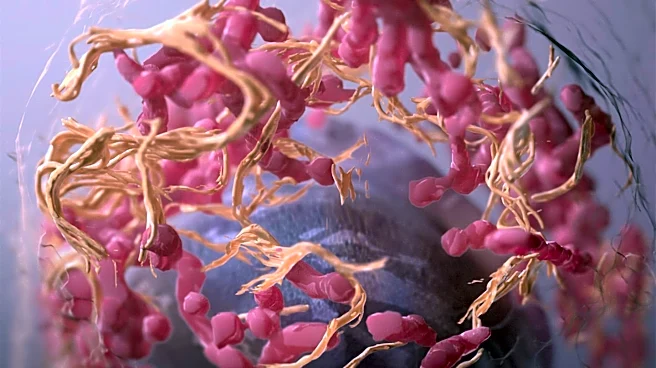
A study led by researchers at NYU Langone Health has revealed a new mechanism by which lung tumors can induce cachexia, a wasting condition characterized by weight loss and muscle depletion. Published in the journal Science, the research shows that lung tumors can 'hack'
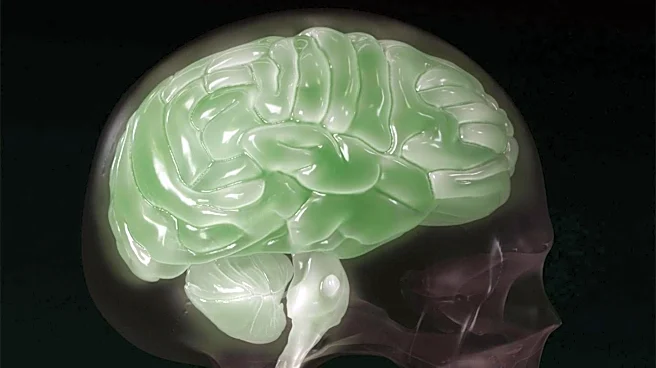
into the nervous system, altering eating behavior and leading to cachexia. The study used genetic mouse models of lung cancer to demonstrate that tumors lacking the LKB1 gene caused cachexia by producing high levels of prostaglandin E2, a molecule that amplifies inflammation. This discovery suggests that targeting prostaglandin E2 could mitigate cachexia symptoms, potentially improving patient outcomes.
Why It's Important?
Cachexia significantly impacts cancer patients, often making them too frail to undergo treatments or participate in clinical trials. The study's findings provide a new understanding of how lung tumors contribute to this condition, highlighting the role of prostaglandin E2 in the process. By identifying this pathway, researchers can explore new therapeutic strategies to block harmful signals and improve the strength and survival of cancer patients. This research could lead to better management of cachexia, enhancing the quality of life and treatment efficacy for those affected by cancer.
What's Next?
The research team plans to further investigate the role of neuronal signaling in cachexia and other cancer-related conditions. They aim to explore dietary interventions and the use of nonsteroidal anti-inflammatory drugs (NSAIDs) to block prostaglandin E2 production. These efforts could pave the way for new treatments that help cancer patients maintain their strength and resilience during treatment. Additionally, the study's findings may encourage further research into the biological mechanisms driving cancer cachexia, potentially leading to broader applications in cancer care.