








What's Happening?
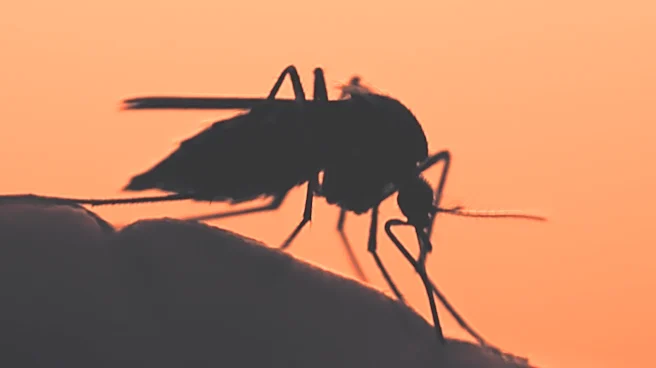
A team of Welsh and Ugandan researchers has developed a mosquito repellent using catnip, which has proven to be as effective as DEET in laboratory tests. The repellent, containing nepetalactone, a chemical found in catnip essential oil, was presented
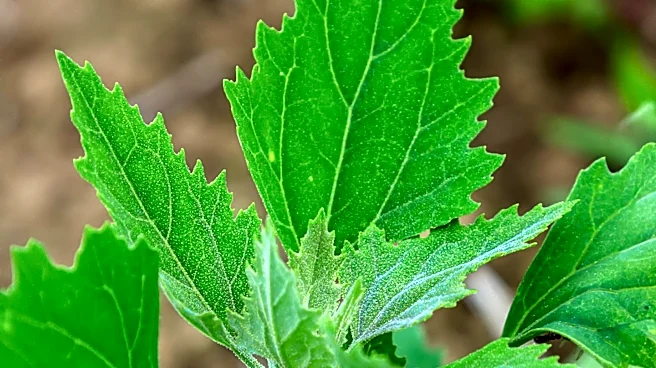
at an international science conference in Florence, Italy. This development aims to provide a cost-effective solution for mosquito control in rural Uganda, where commercially available repellents are often unaffordable for subsistence farmers. The researchers, led by Dr. Simon Scofield from Cardiff University, have created a lotion that can be produced locally, reducing reliance on malaria medication, which is facing resistance issues. The catnip plant, Nepeta cataria, is easy to grow and its essential oil is simple to distill, offering a practical alternative to DEET.
Why It's Important?
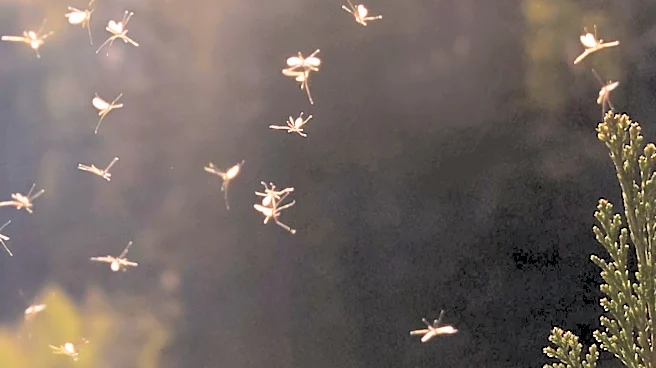
This innovation is significant as it addresses the challenge of mosquito-borne diseases like malaria in rural Uganda, where access to affordable mosquito repellents is limited. By providing a locally producible and cost-effective alternative, the catnip-based repellent could reduce the incidence of malaria, a disease that poses a major health risk in the region. The development also empowers local communities by involving them in the production process, potentially creating economic opportunities and fostering self-sufficiency. Additionally, reducing reliance on malaria medications is crucial as the parasite continues to develop resistance, making alternative preventive measures increasingly important.
What's Next?
The next steps involve ensuring the repellent can be produced and distributed at a low cost, creating a self-sustaining system where profits are reinvested into the local economy. The researchers aim to establish a market for the lotion, which cannot be patented due to its natural composition, ensuring accessibility and affordability. This initiative could serve as a model for similar projects in other regions affected by mosquito-borne diseases, potentially leading to broader adoption of natural repellents and a reduction in malaria cases globally.