





What's Happening?
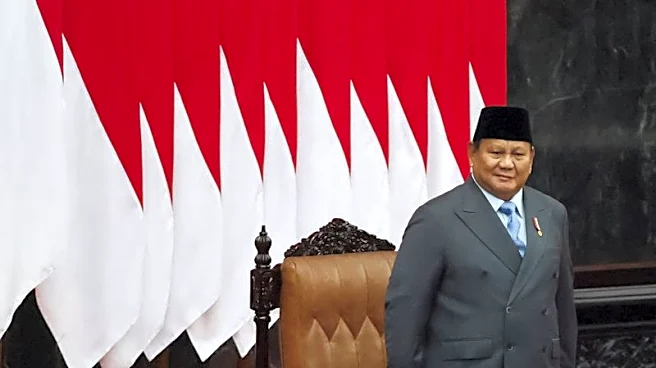
President Prabowo Subianto of Indonesia has underscored the critical importance of food and energy self-reliance for the nation to maintain its strength and independence from other countries. Speaking at the 100th anniversary of the Darussalam Gontor
Modern Islamic Boarding School in Ponorogo, East Java, President Subianto highlighted the current global landscape, characterized by conflicts and wars, as a testament to the necessity of achieving self-sufficiency in these vital sectors. He asserted that Indonesia has already made significant strides in securing its food reserves and has implemented measures to counteract potential disruptions from adverse weather conditions like El Nino and drought. Furthermore, President Subianto noted that Indonesia has not imported diesel fuel since July 1, now meeting its domestic diesel needs through local production, largely attributed to its abundant palm oil resources. He referred to palm oil as a 'miracle plant' for its role in supporting the country's fuel requirements.
Why It's Important?
Indonesia's push for food and energy self-reliance carries significant implications for its national security and economic stability. By reducing dependence on foreign imports, particularly for essential commodities like food and fuel, Indonesia aims to insulate itself from global price volatility and supply chain disruptions, which are exacerbated by international conflicts. This strategy could lead to greater domestic economic resilience and potentially foster growth in local agricultural and energy sectors. For the U.S., a more self-sufficient Indonesia could mean a more stable trading partner in Southeast Asia, reducing potential vulnerabilities in global supply chains that the U.S. relies on. However, it also signals a potential shift in global trade dynamics, as Indonesia seeks to lessen its reliance on international markets for critical resources. The emphasis on palm oil as an energy source also highlights the country's strategic utilization of its natural resources, which could have environmental and economic considerations on a global scale.
What's Next?
Following President Subianto's statements, Indonesia is expected to continue prioritizing and investing in initiatives aimed at bolstering its food and energy independence. This may involve further development of agricultural infrastructure, research into sustainable farming practices, and exploration of alternative energy sources, particularly those derived from domestic resources like palm oil. The government will likely implement policies to support local production and reduce reliance on imports, potentially through subsidies or trade regulations. The President also encouraged young people to remain optimistic and prepare to take over leadership, suggesting a long-term vision for national development and self-reliance. International partners, including the U.S., will likely monitor these developments closely, as Indonesia's self-sufficiency efforts could influence regional trade agreements, investment opportunities, and geopolitical alignments in Southeast Asia.
Beyond the Headlines
The drive for food and energy self-reliance in Indonesia extends beyond immediate economic and security concerns, touching upon deeper themes of national sovereignty and resilience in an increasingly unpredictable world. President Subianto's message to the youth, encouraging them to be optimistic and prepare for future leadership, underscores a long-term national vision that aims to empower future generations to navigate global challenges independently. The strategic use of palm oil, while economically beneficial for Indonesia, also brings to light ongoing global discussions about sustainable resource management and environmental impact, particularly concerning deforestation and biodiversity. This nationalistic approach to resource management could inspire similar strategies in other developing nations, potentially reshaping global commodity markets and international trade relationships. It also reflects a broader trend among nations to prioritize domestic stability and resource control in the face of global uncertainties.