









What's Happening?
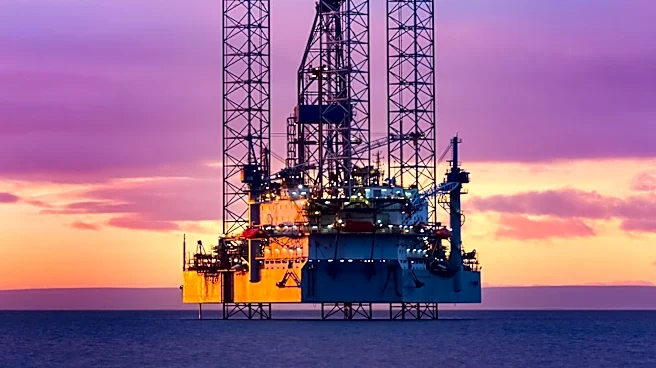
The International Energy Agency (IEA) Executive Director Fatih Birol has called on the European Union to reconsider its ban on Arctic oil and gas drilling. This appeal comes amid concerns over European energy security, especially in light of geopolitical
tensions and the need for energy independence. Norway, a non-EU member, supports lifting the ban, arguing that Arctic resources are crucial for energy security. Critics, however, warn that lifting the ban could harm the fragile Arctic ecosystem and undermine commitments to green energy transitions.
Why It's Important?
The debate over Arctic drilling reflects broader tensions between energy security and environmental protection. As Europe seeks to reduce dependence on external energy sources, the potential for Arctic drilling presents both an opportunity and a challenge. The decision could impact global energy markets, environmental policies, and international relations, particularly with countries like Norway that have significant Arctic interests. The outcome of this debate could set a precedent for how countries balance economic needs with environmental responsibilities.
What's Next?
The EU is expected to review its Arctic drilling policy, with potential implications for energy and environmental strategies. Stakeholders, including environmental groups and energy companies, will likely intensify lobbying efforts. The decision could influence future EU energy policies and international climate agreements. Monitoring the EU's policy updates and stakeholder responses will be crucial in understanding the direction of Arctic resource management.