






What's Happening?
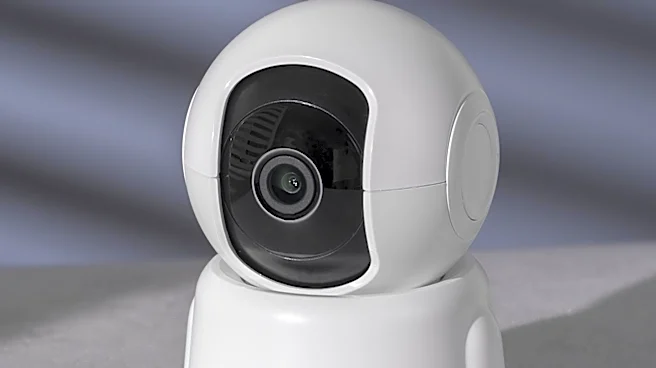
Higher education institutions are increasingly facing challenges due to the convergence of cyber and physical security systems. This integration is driven by the proliferation of Internet of Things (IoT) devices, such as smart security cameras and biometric
access systems, which expand the attack surface of campuses. The complexity of managing these systems is compounded by the decentralized nature of universities, which often operate like small cities. The convergence requires sophisticated management and oversight to protect against cyber threats, as highlighted by industry leaders at the Cybersecurity, Stronger Together Conference hosted by The George Washington University.
Why It's Important?
The convergence of cyber and physical security systems in higher education is significant because it highlights the growing need for integrated security strategies. As campuses become more reliant on networked technologies, the potential for cyber threats increases, necessitating a unified approach to security management. This shift impacts IT teams, particularly in resource-strapped institutions, as they must now protect both digital and physical assets. The trend also underscores the importance of developing a shared risk language among cybersecurity, physical security, and political stakeholders to ensure comprehensive defense strategies.
What's Next?
Higher education institutions will need to invest in training and resources to effectively manage the convergence of cyber and physical security systems. This may involve hiring specialized personnel or partnering with external security firms. Additionally, universities may need to update their policies and procedures to address the unique challenges posed by this integration. As the landscape continues to evolve, institutions will likely engage in ongoing discussions about best practices and strategies for safeguarding their campuses.