




What's Happening?
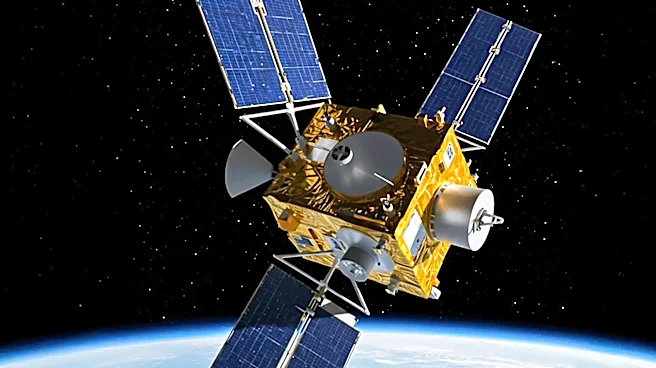
The U.S. Space Force's Space Systems Command (SSC) has announced a plan to extend the operational life of its Mobile User Objective System (MUOS) satellite constellation until 2040. This extension, revealed by Katherine Coens, senior materiel leader for
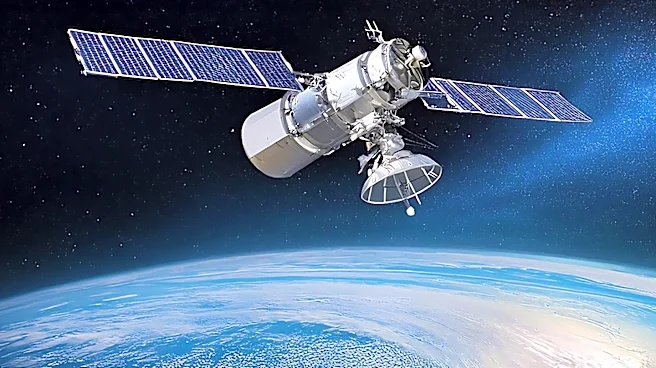
MUOS at SSC, during the MilSat Symposium at Silicon Valley Space Week, involves the acquisition of two additional satellites and significant upgrades to the ground system. The MUOS system, currently a five-satellite constellation in Geostationary Earth Orbit (GEO), provides narrowband 'double hop' communications, integrating with the Department of War's IT infrastructure. The system was initially projected to begin diminishing in capability around 2030, but user demand for continued service prompted this life extension program. Coens emphasized that the focus is on maintaining the existing system's capabilities and ensuring compatibility with currently fielded terminals, rather than transitioning to commercial direct-to-device services, which she noted do not meet military requirements for low probability of detection.
Why It's Important?
This decision by the Space Systems Command is crucial for maintaining resilient and secure narrowband communications for U.S. military forces and allies. By extending the MUOS system's lifespan, the U.S. ensures continued access to a critical communication infrastructure that is specifically designed for military operations, offering a lower probability of detection compared to commercial alternatives. The emphasis on terminal compatibility highlights the significant investment already made in existing military hardware and the logistical challenges of widespread replacement. This strategic move underscores the ongoing need for dedicated military satellite systems, even as commercial space capabilities expand. It also signals a commitment to long-term planning in space defense, ensuring that vital communication links remain operational for decades to come, directly impacting the effectiveness and safety of U.S. and allied forces globally.
What's Next?
The Space Systems Command plans to proceed with the acquisition of two new satellites and upgrades to the ground system to support the extended operational life of MUOS. Further industry engagement is anticipated, with Katherine Coens indicating that Requests for Information (RFIs) and industry days will be held over the next 12 to 18 months. These engagements will explore solutions for lightweight, adaptable terminal packages that can monitor and process diverse signal sets, catering to the needs of unmanned systems. Additionally, the Air Force Research Laboratory (AFRL) is conducting a rapid program to investigate the feasibility of delivering MUOS-style narrowband communications from Medium Earth Orbit (MEO), which could represent a future evolution of the system while still addressing the critical terminal compatibility challenge.
Beyond the Headlines
The extension of the MUOS system's life and the continued investment in military-specific narrowband communications highlight a broader strategic tension in space defense: the balance between leveraging rapidly evolving commercial space technology and maintaining sovereign, purpose-built military capabilities. While commercial solutions offer cost efficiencies and rapid innovation, the military's unique requirements for security, resilience, and low probability of detection often necessitate bespoke systems. This approach also reflects a recognition that the 'terminal problem'—the challenge of upgrading or replacing a vast inventory of user equipment—can be a significant constraint on technological adoption. The ongoing exploration of MEO solutions for narrowband communications suggests a future where military systems might integrate elements of commercial innovation while retaining core military-specific attributes, ensuring both advanced capabilities and operational security.