



What's Happening?
An unusually intense El Niño event is developing in the tropical Pacific, expected to become the strongest on record since at least 1950. This climate phenomenon is characterized by higher than average ocean temperatures, which transfer heat to the atmosphere,
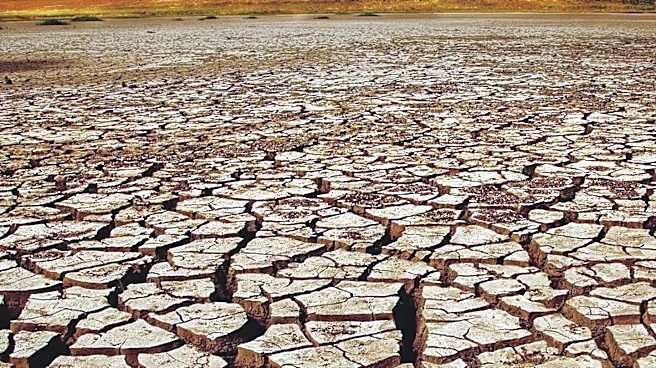
affecting global weather patterns. The event is anticipated to influence weather conditions worldwide over the next one to two years. Forecasters are confident in predicting its impacts, which include potential droughts, floods, and disruptions to food supplies. The event is also expected to contribute to record global temperatures in 2026 and 2027.
Why It's Important?
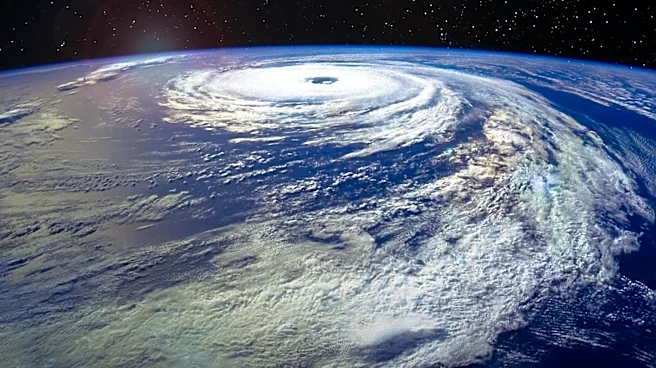
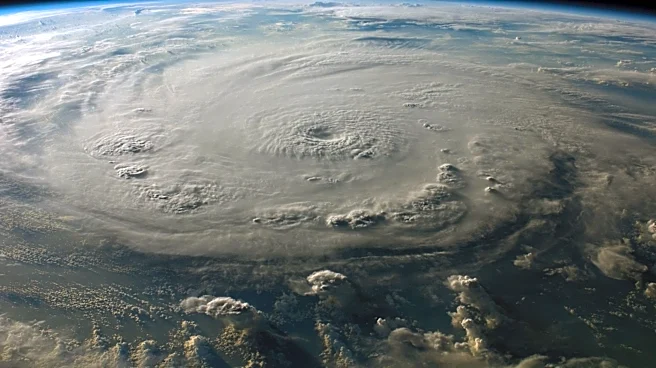
The strengthening El Niño has significant implications for global climate and weather patterns. In the U.S., it could lead to milder winters in the north and wetter conditions in the south. The event may also result in a less active Atlantic hurricane season, while increasing hurricane activity in the Pacific. These changes can affect agriculture, water resources, and disaster preparedness. The advance notice allows governments and communities to plan for potential impacts, such as extreme weather events and food supply disruptions. The event underscores the importance of climate monitoring and adaptation strategies.
What's Next?
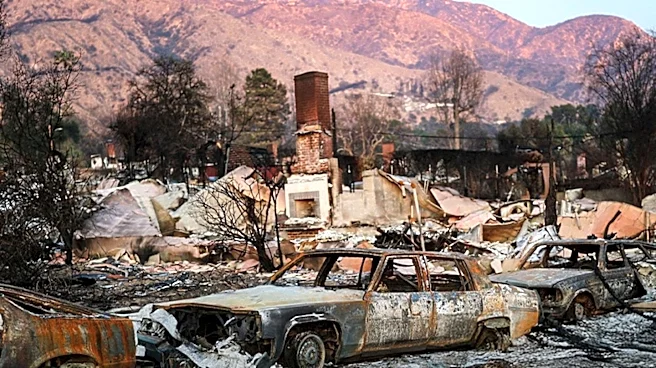
As the El Niño event progresses, scientists and policymakers will closely monitor its development and impacts. Preparations for potential weather-related challenges, such as heatwaves and water shortages, will be crucial. The event may also prompt discussions on climate resilience and adaptation measures. International cooperation and information sharing will be vital in mitigating the effects of this powerful climate phenomenon. The situation highlights the need for continued research and investment in climate science to better understand and respond to such events.
Beyond the Headlines
The El Niño event raises broader questions about climate change and its interaction with natural climate cycles. The increased frequency and intensity of such events may be linked to long-term global warming trends. This situation emphasizes the need for comprehensive climate policies and international agreements to address the root causes of climate change. The event also serves as a reminder of the interconnectedness of global weather systems and the importance of global cooperation in addressing climate-related challenges.