




What's Happening?
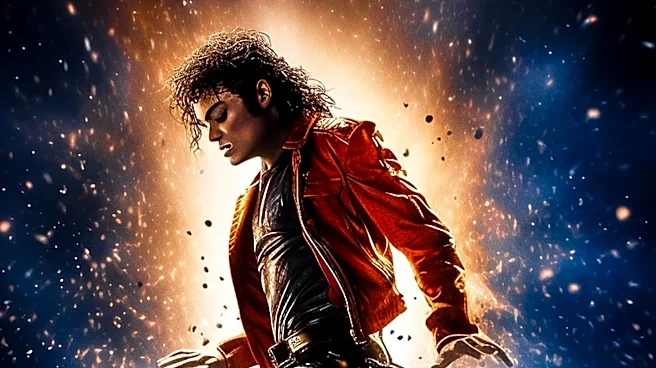
Rep. Mike Lawler, a self-proclaimed Michael Jackson superfan, recently stated that the jury's acquittal of Michael Jackson in his 2005 child molestation trial was correct. Lawler, a New York congressman, discussed his past involvement with the trial,
revealing that he attended part of the proceedings as a high school student. At the time, he was assisting biographer J. Randy Taraborrelli with research, which led him to be present in the Santa Maria courtroom where Jackson faced various charges, including child molestation. Lawler explicitly affirmed that the jury 'nailed it' when asked if the verdict was accurate, citing the evidence presented and the unanimous acquittal as justification for his stance. He also recounted an incident where he was removed from the courtroom after reacting audibly to testimony from the accuser's mother.
Why It's Important?
Rep. Lawler's public comments on the Michael Jackson trial are significant as they come from a sitting U.S. Congressman, offering a political figure's perspective on a high-profile legal case that captivated national attention. His assertion that the acquittal was correct could resonate with segments of the public who believe in Jackson's innocence, potentially reigniting discussions about the trial's outcome and the broader implications of celebrity justice. For those who hold differing views on the trial, Lawler's remarks might be seen as controversial or insensitive, particularly given the serious nature of the charges. The statement also highlights how past events, even those from a politician's youth, can become relevant in their public persona and discourse, influencing public perception and potentially shaping their image among constituents and the wider electorate.
What's Next?
While Rep. Lawler's comments are unlikely to trigger any formal legal or political actions regarding the Michael Jackson trial, they may prompt further media discussion and public debate. It is possible that other public figures or commentators might weigh in on Lawler's remarks, either in agreement or disagreement, leading to renewed scrutiny of the 2005 trial. For Lawler himself, these comments could either solidify his image among certain fan bases or draw criticism from groups concerned with child protection issues. The immediate impact will likely be confined to public discourse and media cycles, rather than any tangible policy changes or legal reconsiderations. Future interviews or public appearances might see Lawler pressed further on his views or on other aspects of his past.
Beyond the Headlines
Rep. Lawler's candid discussion about his attendance at the Michael Jackson trial and his firm belief in the verdict touches upon several deeper implications. It underscores the enduring cultural impact of Michael Jackson and the polarizing nature of his legal battles, which continue to spark debate years after his death and the trial's conclusion. Furthermore, it highlights the intersection of personal fandom, public office, and historical legal events. A politician's willingness to openly share such personal convictions about a controversial past event can reveal aspects of their character and judgment, which voters may consider. It also subtly raises questions about the role of public figures in commenting on past judicial processes and how such comments might influence public memory and perception of justice.