



What's Happening?
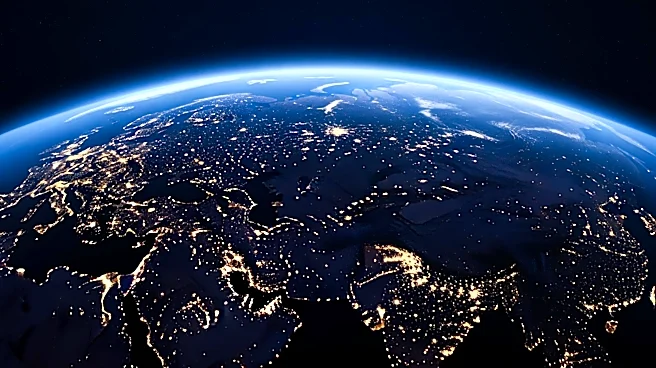
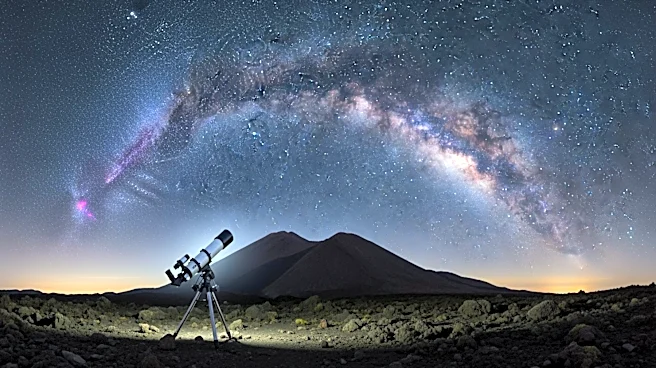
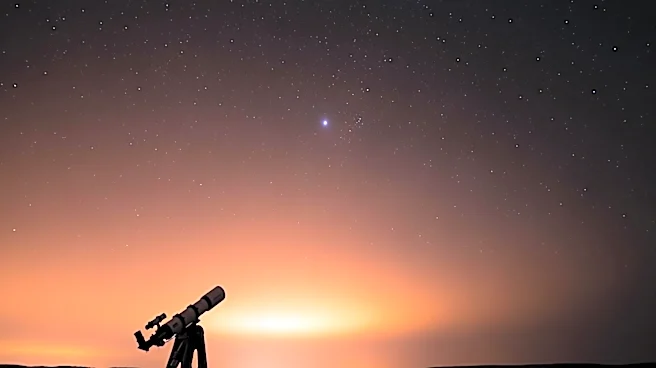
A new study published in Nature highlights a 16% increase in light pollution over the past eight years, posing challenges for astrophotographers. The research, which utilized satellite imagery, indicates that while light pollution is rising globally,
regions with policies to reduce it, such as parts of Europe, have seen improvements. The study underscores the impact of artificial light on night sky visibility, crucial for capturing celestial images. Despite the overall increase, the findings suggest that policy interventions can mitigate some effects of light pollution.
Why It's Important?
Light pollution affects not only astrophotography but also ecological systems and human health. The increase in artificial light disrupts natural cycles and obscures the night sky, hindering scientific observations and cultural appreciation of the stars. The study's findings emphasize the need for effective policies to manage light pollution, which could benefit both the environment and scientific communities. By highlighting successful policy implementations, the research provides a framework for other regions to follow, potentially leading to broader reductions in light pollution.
What's Next?
The study suggests that continued monitoring and policy development are essential to address light pollution. Regions experiencing increases may consider adopting strategies from areas with successful reductions. Future research could focus on refining satellite measurement techniques and exploring the long-term effects of light pollution on ecosystems and human health. Collaboration between governments, scientists, and communities will be crucial in implementing effective solutions to preserve the night sky and its associated benefits.