

What's Happening?
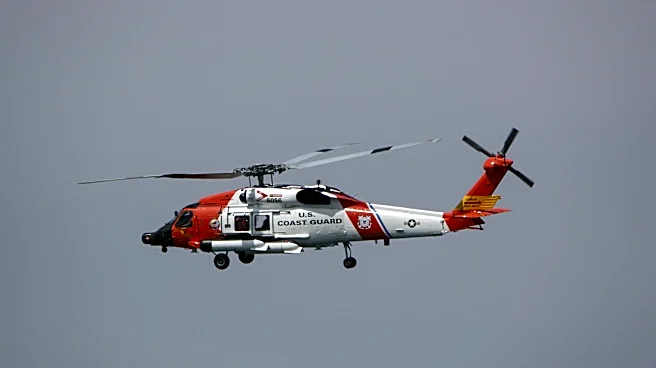
The U.S. Department of Transportation’s Office of Inspector General has announced a formal audit into the Federal Aviation Administration's (FAA) oversight of helicopter tourism operations. This decision follows significant congressional pressure, spearheaded
by Representative Rob Menendez and other lawmakers. The audit will specifically investigate how commercial helicopter tour operators utilize regulatory exceptions, particularly focusing on whether some flights are improperly classified as 'aerial photography' to bypass more stringent safety regulations. This initiative stems from ongoing concerns regarding safety and noise pollution in the New York-New Jersey metropolitan area, which have been exacerbated by past helicopter crashes. Representative Menendez and local officials have expressed that this review is a crucial step towards accountability, while advocacy groups hope it will lead to stricter regulations or even a ban on certain non-essential flights. The Congressman has also supported several related legislative bills and communications to federal agencies to address these issues.
Why It's Important?
This federal audit holds significant importance for public safety, regulatory integrity, and community well-being in densely populated areas like New York and New Jersey. The investigation into how helicopter tour operators use regulatory loopholes could expose systemic weaknesses in FAA oversight, potentially leading to reforms that enhance safety standards for both passengers and residents. If operators are indeed misclassifying flights to avoid stricter rules, it indicates a critical gap in current enforcement mechanisms, which could put lives at risk. For residents, particularly those in the New York-New Jersey area, the audit offers a potential pathway to address long-standing issues of noise pollution and perceived safety hazards from frequent helicopter traffic. The outcome could influence future legislation and FAA policies, potentially leading to a re-evaluation of flight paths, operational hours, and safety protocols for the entire helicopter tourism industry, thereby impacting business models and operational costs for tour companies.
What's Next?
The U.S. Department of Transportation’s Office of Inspector General will proceed with its formal audit of the FAA's oversight of helicopter tourism operations. This process will likely involve detailed investigations into commercial helicopter tour operators' practices, including their classification of flights and adherence to safety regulations. Stakeholders, including Representative Menendez, local officials, and advocacy groups, will closely monitor the audit's progress and findings. Depending on the audit's conclusions, there could be significant pressure on the FAA to implement new regulations, enhance existing enforcement, or even propose legislative changes to address any identified deficiencies. Helicopter tourism operators may face increased scrutiny and potentially stricter operating conditions, which could impact their business models. Advocacy groups will likely leverage the audit's findings to push for more comprehensive reforms, including potential restrictions or bans on certain types of non-essential helicopter flights in urban areas.
Beyond the Headlines
The audit into FAA oversight of helicopter tourism extends beyond immediate safety concerns, touching upon broader issues of regulatory capture and the balance between commercial interests and public welfare. The potential misclassification of flights as 'aerial photography' to circumvent safety rules highlights a systemic vulnerability where economic incentives might compromise regulatory compliance. This situation raises ethical questions about corporate responsibility and the effectiveness of oversight bodies in preventing such circumvention. Furthermore, the persistent noise pollution from helicopter tours in urban environments underscores a growing conflict between tourism-driven economic activity and the quality of life for residents. The outcome of this audit could set a precedent for how federal agencies regulate other industries where commercial operations impact public safety and environmental quality, potentially leading to a re-evaluation of regulatory frameworks to ensure they are robust enough to prevent exploitation of loopholes and prioritize public interest.