







What's Happening?
Iran has responded to a U.S. proposal aimed at ending the ongoing regional conflict, with a particular focus on ensuring maritime security through the Strait of Hormuz. The response, delivered via Pakistani mediators, emphasizes the cessation of hostilities
in the region. Iran's proposal includes a temporary memorandum of understanding to halt the war and allow traffic through the Strait of Hormuz, while deferring discussions on its nuclear program to a later stage. The U.S. proposal also sought to address Iran's nuclear program, but Iran prefers to postpone this discussion. The fate of Iran's stockpile of highly enriched uranium remains a significant point of contention in the negotiations.
Why It's Important?
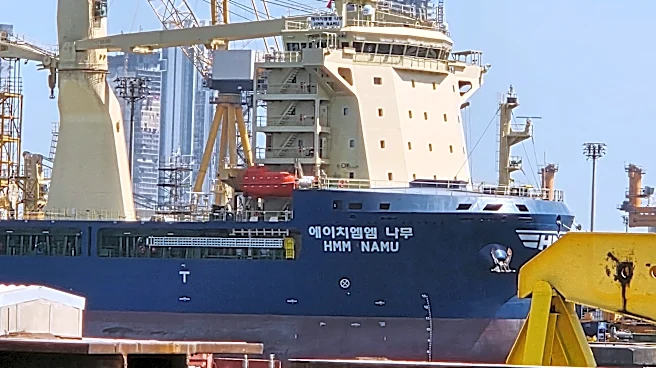
The negotiations are crucial as they aim to stabilize a region that is vital for global oil supplies. The Strait of Hormuz is a strategic chokepoint through which a significant portion of the world's oil passes. Ensuring its security is essential for maintaining global energy stability. The talks also have implications for U.S.-Iran relations, which have been strained over Iran's nuclear ambitions. A successful agreement could lead to a reduction in regional tensions and potentially ease economic sanctions on Iran, benefiting global markets. However, the unresolved issue of Iran's nuclear program continues to pose a challenge to reaching a comprehensive peace agreement.
What's Next?
The next steps involve further negotiations to reach a more comprehensive agreement that addresses both the cessation of hostilities and Iran's nuclear program. The involvement of mediators like Pakistan and behind-the-scenes efforts by countries like Qatar indicate a multilateral approach to resolving the conflict. The U.S. and Iran will need to find common ground on the nuclear issue to achieve lasting peace. The international community will be closely monitoring the situation, as any escalation could have significant geopolitical and economic repercussions.