






What's Happening?
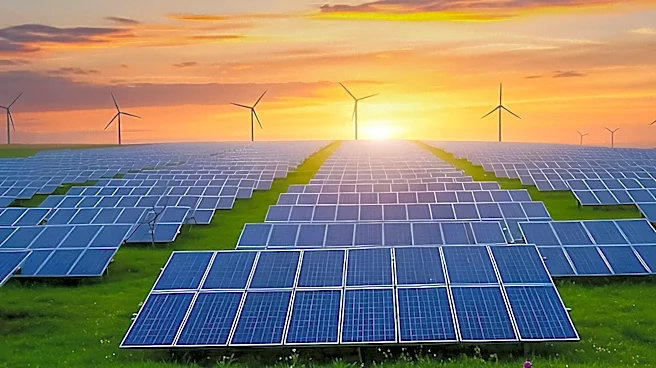
The global transition to renewable energy, while crucial for mitigating climate change and enhancing energy security, has a substantial material footprint due to its high reliance on critical minerals such as lithium, cobalt, nickel, rare earths, and copper.
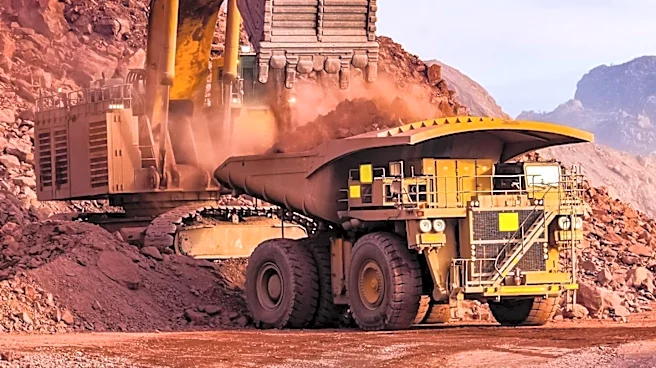
The rapid growth in demand for solar, wind, and battery technologies is leading to the expansion of existing mines and the establishment of new ones, particularly in the Global South. This mining activity frequently results in conflicts with local communities concerned about land-grabs, water scarcity, environmental pollution, and other impacts. Studies estimate over 4,500 mining conflicts globally each year, some of which can escalate into intense and violent confrontations, affecting political stability, human rights, and supply chain security.
Why It's Important?
The conflicts arising from critical mineral mining pose a significant threat to the U.S.'s efforts to transition to renewable energy and secure its supply chains. Disruptions in the supply of these minerals, caused by social unrest or violence in mining regions, can lead to price volatility, project delays, and increased costs for renewable energy technologies. This directly impacts the affordability and pace of the U.S. green energy transition, potentially hindering climate goals and energy independence. Furthermore, reliance on minerals sourced from conflict-prone areas raises ethical concerns regarding human rights and environmental justice, which can affect the social license to operate for companies and the public perception of renewable energy initiatives in the U.S.
What's Next?
To address these challenges, a conflict-sensitive approach to the renewable energy transition is necessary. This involves early, inclusive, transparent, and open-ended consultations with local communities affected by mining activities. Governments, shareholders, and mining companies must carefully evaluate investments to avoid contexts associated with intense tensions and human rights violations. Increased monitoring of mining conflicts and research into strategies for conflict sensitivity are also crucial. The goal is to ensure that the renewable energy transition can occur peacefully and justly, safeguarding supply chain security while upholding human rights and environmental standards.
Beyond the Headlines
The intersection of renewable energy, critical mineral mining, and social conflict reveals a complex ethical dilemma. While the transition to green energy is vital for the planet, it must not come at the expense of vulnerable communities or exacerbate existing inequalities. The 'green, clean, and violent' paradox highlights the need for a holistic approach that integrates social and environmental considerations into every stage of the supply chain. This includes promoting fair trade practices, investing in local community development, and ensuring robust regulatory frameworks that protect both human rights and the environment. Ultimately, the success of the global energy transition will be measured not only by its technological achievements but also by its ability to foster sustainable and equitable development worldwide.