






What's Happening?
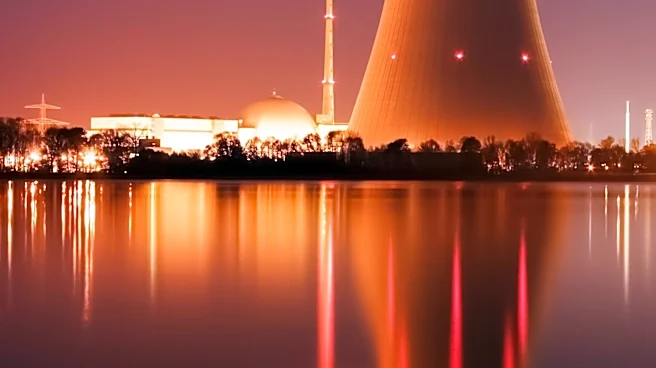
France's state-owned energy company, EDF, has temporarily shut down two nuclear reactors due to a record-breaking heatwave affecting the country. The reactors, located at the Nogent-sur-Seine plant and the Bugey facility, were taken offline as a precautionary
measure to prevent environmental damage from discharging overheated water into rivers. This decision comes as France experiences extreme temperatures, leading to at least 18 heat-related deaths and numerous drownings. The heatwave has also prompted the French government to issue a red alert for over half of the country's departments, urging citizens to exercise caution. Despite the shutdowns, the French grid operator RTE assures that the country has sufficient energy capacity to meet demand.
Why It's Important?
The temporary shutdown of nuclear reactors in France highlights the vulnerability of energy infrastructure to extreme weather conditions, which are becoming more frequent due to climate change. This situation underscores the need for energy systems to adapt to environmental challenges to ensure reliable power supply. The heatwave's impact on energy production could lead to increased electricity prices and strain on the grid, affecting both consumers and businesses. Additionally, the shutdowns emphasize the importance of sustainable energy practices and the potential need for alternative cooling methods for nuclear plants to mitigate environmental risks.
What's Next?
As the heatwave continues, France and other European countries may need to implement further measures to manage energy supply and demand. This could include increasing reliance on renewable energy sources or enhancing grid infrastructure to cope with extreme weather events. The situation may also prompt discussions on long-term strategies for climate resilience in the energy sector, including investments in technology and infrastructure that can withstand environmental stresses.