



What's Happening?
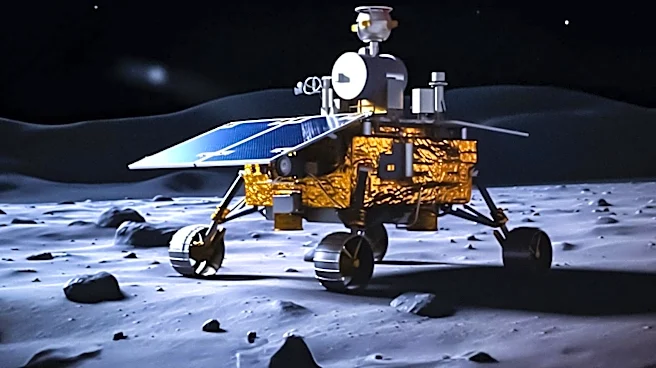
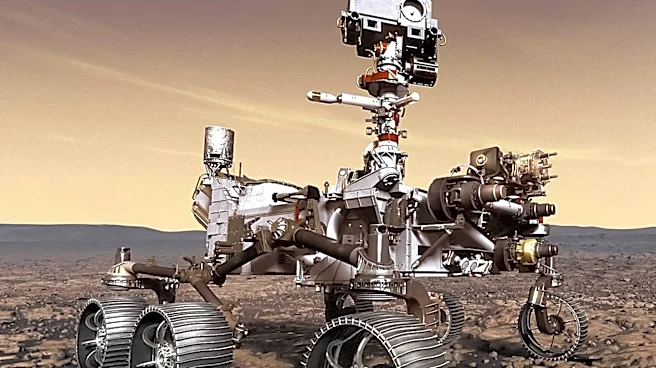
NASA Administrator Jared Isaacman announced a potential plan to send an engineering duplicate of a Mars rover to the Moon. This initiative, named PROMISE (Polar Rover for Observation, Mapping, and In-Situ Exploration), aims to repurpose existing hardware
from the Curiosity and Perseverance rovers for lunar exploration. The proposal comes amid significant budget cuts to NASA's Science Mission Directorate, raising questions about funding and scientific priorities. The project is estimated to cost between $700 million and $1.3 billion, with a potential launch in the early 2030s. The plan is still under evaluation, with a detailed cost assessment underway.
Why It's Important?
The PROMISE project represents a strategic effort to maximize the use of existing resources in the face of budget constraints. By repurposing Mars rover technology for lunar exploration, NASA could potentially save costs while advancing its lunar science objectives. However, the initiative also highlights the challenges of balancing new projects with existing scientific commitments, especially with reduced funding. The decision to pursue PROMISE could impact NASA's broader scientific agenda, potentially diverting resources from other missions and affecting the agency's long-term exploration goals.
What's Next?
NASA will continue to evaluate the feasibility and cost-effectiveness of the PROMISE project. The outcome of the ongoing cost assessment will be crucial in determining whether the project proceeds. If approved, NASA will need to secure funding and address technical challenges related to adapting the rover for lunar conditions. The decision will likely involve input from various stakeholders, including government officials, scientists, and the public, as NASA navigates its budgetary and scientific priorities.