







What's Happening?
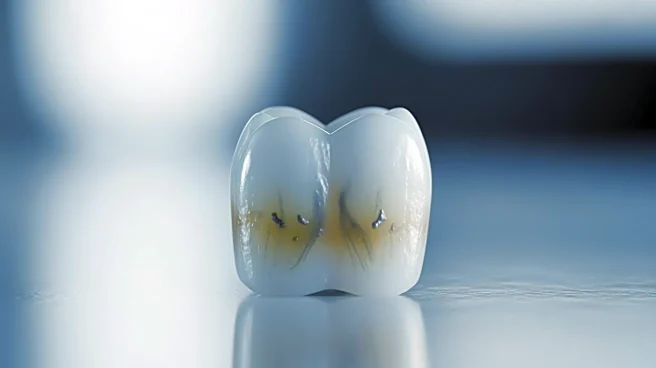
Researchers have discovered that baby teeth can serve as historical records of toxic metal exposure in children. By analyzing the layers in these teeth, scientists can determine the types and amounts of metals children were exposed to, even before birth.
A study conducted in Mexico City followed nearly 500 children from prenatal stages to adolescence, linking metal exposure to behavioral issues and brain development. The research highlights the critical period of 6 to 9 months of development, where exposure to certain metals was associated with negative behavioral changes and alterations in brain structure.
Why It's Important?
This study is crucial as it provides insights into how environmental factors can impact child development. The findings emphasize the need for stricter environmental regulations to protect children from harmful exposures. Understanding the timeline of exposure and its effects on brain development can inform public health policies and interventions aimed at reducing environmental risks. The research also underscores the importance of early detection and prevention strategies to mitigate the long-term impacts of toxic metal exposure on children's health and development.
Beyond the Headlines
The study raises ethical and public health considerations regarding environmental justice and the responsibility of governments and industries to ensure safe living conditions. It also highlights the potential for using biological markers, like baby teeth, in environmental health research to better understand and address the impacts of pollution on vulnerable populations. The findings could lead to increased advocacy for cleaner environments and more comprehensive monitoring of environmental pollutants.