









What's Happening?
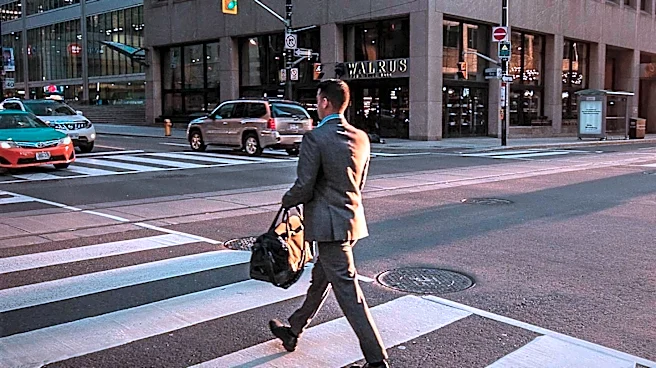
A significant increase in pedestrian fatalities has been observed since 2009, with a 75% rise attributed to the growing size of vehicles such as SUVs and trucks. A study by The New York Times and the Insurance Institute for Highway Safety highlights that
the physical dimensions of these larger vehicles contribute to the increased risk of deadly collisions. The study estimates that 200 to 400 pedestrian deaths annually could have been prevented if vehicle sizes had remained constant. The shift towards larger vehicles is partly due to regulatory changes in emissions and fuel economy, which inadvertently encouraged the production of bigger cars.
Why It's Important?
The increase in pedestrian fatalities poses a serious public safety concern, highlighting the unintended consequences of vehicle design trends and regulatory policies. Larger vehicles, while offering more protection to occupants, pose a greater threat to pedestrians due to their height and mass, which can lead to more severe injuries in collisions. This trend underscores the need for policymakers to reconsider vehicle safety standards and urban planning to enhance pedestrian safety. The automotive industry may also face pressure to innovate and design vehicles that balance occupant safety with pedestrian protection.
Beyond the Headlines
The rise in pedestrian fatalities due to larger vehicles raises ethical and regulatory questions about the balance between consumer preferences for larger cars and public safety. It also prompts a reevaluation of urban infrastructure, which may need to adapt to accommodate the increased presence of larger vehicles. This situation could lead to a push for more stringent safety regulations and the development of new technologies aimed at reducing pedestrian risks. Additionally, the trend may influence consumer behavior, as awareness of the safety implications of larger vehicles grows.