
What's Happening?
New state reports in Illinois reveal that the surging demand for electricity from artificial intelligence (AI) data centers is impeding the state's progress toward its climate goals. Under a 2021 law signed
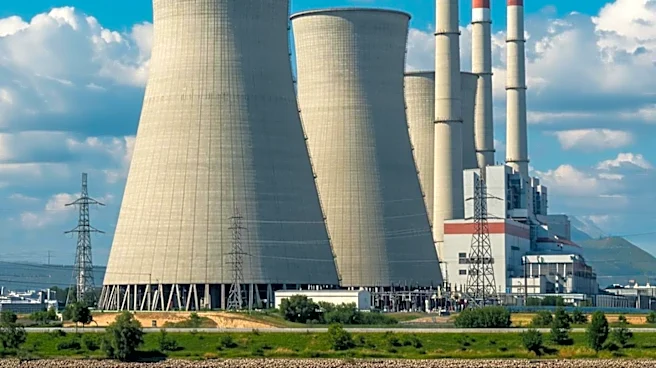
by Governor JB Pritzker, Illinois aimed to retire all fossil-fuel power plants by 2050. However, the substantial electricity requirements of new data centers are making it difficult to shut down existing coal, gas, and oil sources. Environmental and climate advocates have expressed concerns that cleaner power sources, such as wind and solar farms, are not being developed quickly enough to meet this new demand. Consequently, eleven 'peaker plants,' which burn oil or natural gas as backup power, are now recommended to operate until 2033, instead of their previously scheduled closures in 2030 or 2031, to prevent blackouts. These plants, including those in Pilsen and Waukegan, contribute to carbon dioxide emissions, a major factor in global warming, and release pollutants harmful to public health.
Why It's Important?
This development highlights a significant challenge in the U.S. energy transition: the unexpected surge in electricity demand from emerging technologies like AI. For Illinois, it means a delay in achieving its ambitious climate targets, potentially increasing greenhouse gas emissions and prolonging public exposure to harmful pollutants from fossil fuel plants. This situation could serve as a precedent for other states grappling with similar issues, as the growth of AI and data centers is a national trend. The need to balance technological advancement with environmental sustainability becomes critical. Industries reliant on clean energy will face increased competition for grid capacity, and the economic viability of renewable projects could be affected if fossil fuel plants remain operational longer. This also raises questions about the regulatory framework for energy consumption by large-scale data centers and whether current infrastructure development can keep pace with technological demands.
What's Next?
Illinois state lawmakers are expected to debate the impact of data centers and power demand, possibly in the coming month. Hearings on the state's findings, detailed in reports from the Illinois Power Agency, Illinois Environmental Protection Agency, and Illinois Commerce Commission, are also anticipated. These discussions will likely explore potential solutions, such as accelerating renewable energy development, implementing energy efficiency standards for data centers, or re-evaluating the state's energy infrastructure plans. While the state is not currently facing a power shortage, the rapid growth forecast for data centers could create an emergency situation for electricity supply. The outcome of these legislative and regulatory discussions will determine the future trajectory of Illinois' climate goals and could influence how other states address the energy demands of the burgeoning AI industry.
Beyond the Headlines
The conflict between AI data center growth and climate goals reveals a deeper tension between technological progress and environmental responsibility. It underscores the often-unforeseen environmental footprint of digital advancements. The energy intensity of AI, particularly for training large models, presents an ethical dilemma: how to harness the benefits of AI without exacerbating climate change. This situation could spur innovation in energy-efficient computing and data center design, as well as increased investment in grid modernization and renewable energy storage solutions. It also highlights the need for proactive policy-making that anticipates the energy demands of future technologies rather than reacting to them. The long-term implications include a potential re-evaluation of economic development strategies to ensure that attracting high-tech industries aligns with broader sustainability objectives, fostering a more integrated approach to technological and environmental planning.