







What's Happening?
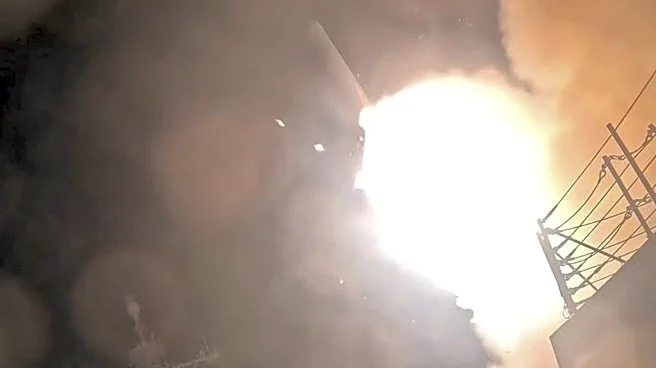
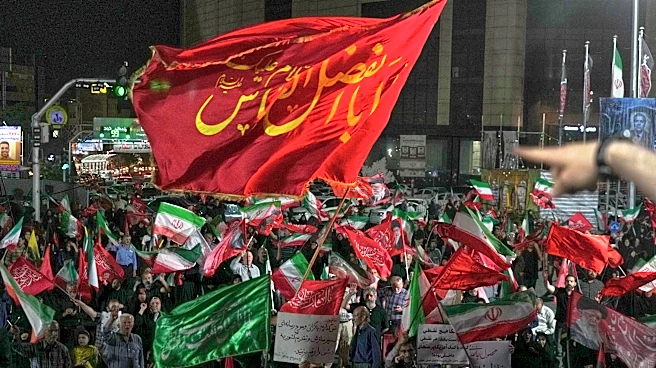
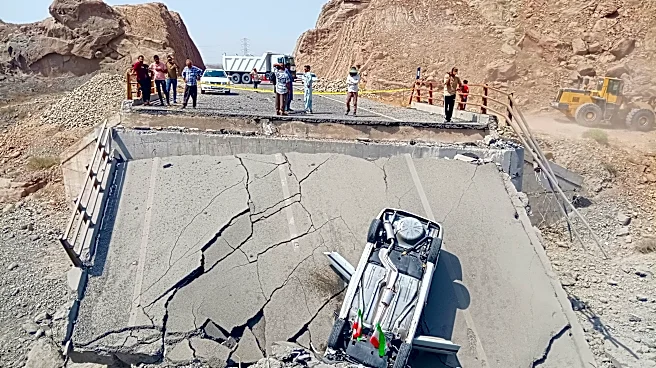
President Trump is currently embroiled in a complex situation involving the United States' military engagement with Iran. Over recent days, three American service members have died due to the conflict, with two fatalities occurring in Jordan from Iranian
missile strikes and another in Iraq from debris during the destruction of an Iranian drone. The official death toll for American service members in this conflict now stands at 17. The situation has raised significant concerns about the U.S.'s strategic approach, as the administration grapples with the potential of ceding control of the Strait of Hormuz to Iran or engaging in a more extensive ground war. This conflict has highlighted the limitations of relying solely on air power and has put the administration in a position where it must make difficult decisions about its military strategy and objectives.
Why It's Important?
The ongoing conflict with Iran poses significant implications for U.S. foreign policy and military strategy. The potential for a larger ground war could lead to increased American casualties and a prolonged military presence in the region, which would have political and economic repercussions. The conflict also threatens global economic stability, particularly if Iran gains control over critical shipping lanes like the Strait of Hormuz. This situation challenges the U.S.'s longstanding policies and could strain international alliances. Additionally, the administration's handling of the conflict may impact domestic political dynamics, as public and congressional scrutiny over military engagements intensifies.
What's Next?
The administration faces critical decisions regarding its next steps in the Iran conflict. Options include negotiating terms that might allow Iran some control over the Strait of Hormuz or escalating military involvement, which could lead to a broader conflict. The administration must also address congressional concerns about war funding and provide a clear rationale for its military strategy. The potential for increased hostilities in the region, including threats from Iran's allies, adds urgency to these decisions. The outcome of these deliberations will significantly influence U.S. foreign policy and military commitments in the Middle East.
Beyond the Headlines
The conflict with Iran underscores broader issues of military engagement and foreign policy decision-making. It raises ethical questions about the human cost of war and the responsibilities of leadership in preventing unnecessary conflicts. The situation also highlights the challenges of maintaining global order and the potential consequences of unilateral military actions. As the administration navigates these complexities, the long-term implications for U.S. international relations and domestic political stability remain uncertain.