




What's Happening?
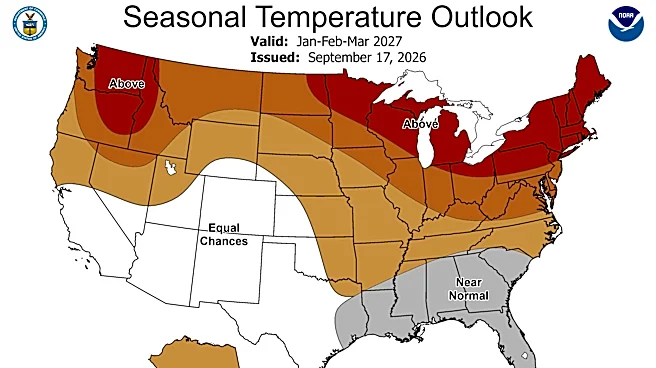
An art exhibit in Oakland, titled “The Data at Hand: Data Physicalizations of Earth and Space,” is being utilized by professors to teach students about the effects of a “Super” El Niño. Forecasters predict this year’s El Niño could be the strongest on record
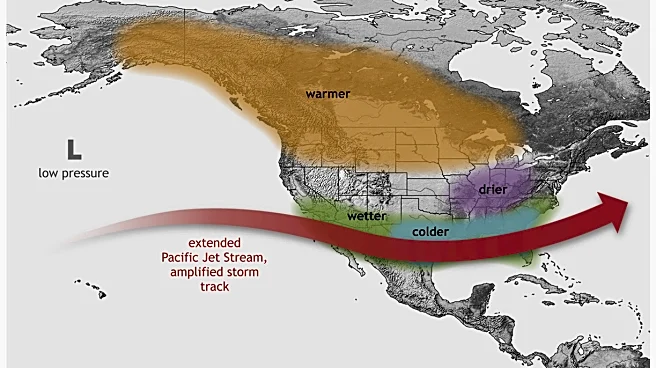
since 1950, with a 75% chance of reaching this intensity, according to the National Oceanic and Atmospheric Administration. This strong El Niño is expected to cause higher sea levels, coastal flooding, and torrential rain along parts of the western U.S. coast, particularly impacting the San Francisco Bay Area. Kristina Faul, a professor of earth and ocean sciences, plans to take her students to the exhibit to combine artwork with real-world case studies of the incoming El Niño. The exhibit features works like “Touching Toxicity” by artists Amanda Ugorji and Sophie Weston Chien, which uses tufted cotton to depict Bay Area locations near contaminated groundwater sites, highlighting how rising sea levels can push these toxins closer to the surface.
Why It's Important?
This initiative is important because it offers a novel, interdisciplinary approach to climate change education, making complex scientific data more accessible and engaging for students. By focusing on local impacts, such as the potential for severe rain, flooding, and the spread of contaminants in the Bay Area, the exhibit provides a personalized learning experience for students. The art pieces, like “Touching Toxicity,” draw attention to critical environmental justice issues, illustrating how major storms and rising sea levels disproportionately affect lower-income communities and people of color. This educational method helps students from various disciplines, including environmental science and computer science, gain a more comprehensive understanding of climate change and its multifaceted consequences, fostering a deeper connection to their local environment and the broader implications of global weather phenomena.
What's Next?
Professors from various departments at Northeastern University’s Oakland campus, including earth and ocean sciences and computer sciences, will continue to integrate the “The Data at Hand” exhibit into their curricula. This will involve guided tours and assignments designed to help students analyze and interpret the data physicalizations. The ongoing “Super” El Niño event will serve as a real-time case study, allowing students to observe and understand the predicted impacts on the Bay Area, such as rising sea levels and potential flooding. The exhibit may also inspire further artistic and scientific collaborations, encouraging students and faculty to explore innovative ways of communicating climate data and its societal implications. The use of AI tools in conjunction with art descriptions, as explored by a writing class, suggests future pedagogical approaches that blend art, science, and technology to enhance learning.
Beyond the Headlines
The exhibit delves into the less obvious implications of climate change by highlighting the hidden dangers of contaminated groundwater. As sea levels rise due to events like El Niño, pollutants from sites such as the Hunters Point Naval Shipyard, which contains radioactive materials and other toxic chemicals, can be mobilized. This raises significant public health and environmental justice concerns, as these toxins could harm local wildlife and residents, particularly in vulnerable communities. The artistic representation of this issue serves as a powerful tool to raise awareness about the long-term environmental legacy of industrial and military activities and how climate change exacerbates these pre-existing risks. It underscores the ethical responsibility to address both immediate climate impacts and historical environmental contamination, emphasizing that environmental challenges are deeply intertwined with social equity.