



What's Happening?
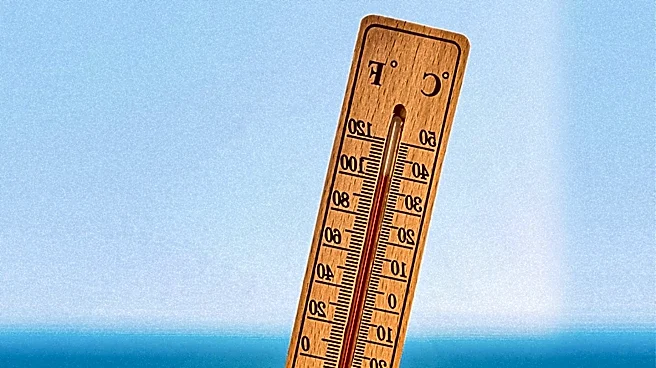
July 2026 has been recorded as the hottest month in the United States, breaking a 132-year-old record. The average temperature was 76.9 degrees, 3.3 degrees above the 20th-century average, according to the National Oceanic and Atmospheric Administration
(NOAA). This surpasses previous records set in July 1936 and July 2012. The extreme heat has been accompanied by over 100 active large wildfires across 16 states, with above-normal wildfire activity expected to continue. The heatwave has also led to increased overnight temperatures, disrupting daily life and contributing to a challenging summer for many Americans.
Why It's Important?
The record-breaking heat in July highlights the ongoing impacts of climate change, with significant implications for public health, agriculture, and energy consumption. The increased frequency and intensity of heatwaves can lead to health risks such as heat exhaustion and heatstroke, particularly among vulnerable populations. The wildfires exacerbated by the heat pose additional threats to communities and ecosystems. This situation underscores the urgent need for climate adaptation and mitigation strategies to address the growing challenges posed by global warming.
What's Next?
The NOAA forecasts above-average temperatures to persist through August, particularly in the central and southern U.S. Efforts to manage and contain wildfires will continue, with firefighters battling blazes across multiple states. Policymakers and communities may need to implement additional measures to protect public health and infrastructure from the ongoing heat and fire risks. The situation calls for increased investment in climate resilience and sustainable practices to mitigate future impacts.