



What's Happening?
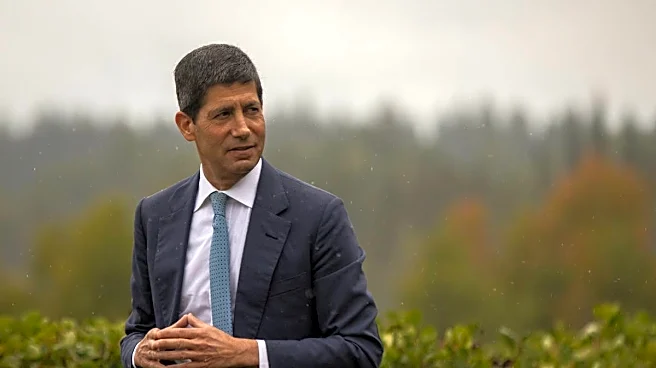
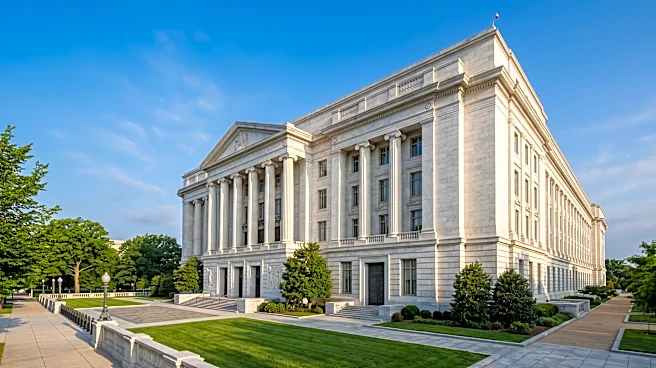
U.S. Federal Reserve Chairman Kevin Warsh is at a critical juncture, needing to decide on a potential interest rate hike that aligns with his recent statements and maintains the Fed's independence from political influence. Following his remarks at the Kansas
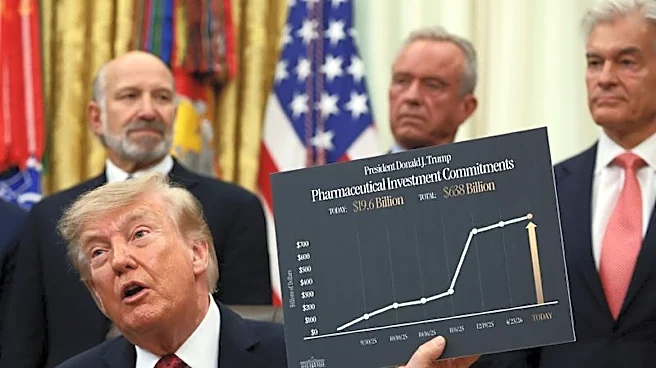
City Fed's annual Jackson Hole conference, where he indicated a need for higher rates to curb inflation, Warsh faces scrutiny. The Fed's policy committee is scheduled to meet on September 15-16, with investors currently anticipating a quarter-percentage-point rate increase. This potential hike comes less than two months before key congressional elections, placing Warsh in a delicate position. President Trump has publicly expressed his belief that Warsh desires to cut rates but is being hindered by other Fed officials he perceives as 'hostile' and 'political.' Trump has also reiterated his desire for the U.S. to have the 'lowest interest rates anywhere in the world,' despite significant national debt and high annual deficits. The situation is further complicated by the fact that three of the Fed's twelve voting policymakers had already dissented against the decision to keep rates unchanged at the July 28-29 meeting.
Why It's Important?
The decision by Federal Reserve Chairman Kevin Warsh holds significant implications for the U.S. economy and political landscape. A rate hike would signal the Fed's commitment to combating inflation, which remains above its 2% target, and could impact borrowing costs for consumers and businesses. This move would also challenge President Trump's narrative that he has successfully contained inflation and could be used by Democrats as a political tool in the upcoming midterm elections. Conversely, a decision to hold rates steady after Warsh's hawkish commentary could undermine his credibility and the Fed's perceived independence. The current economic climate, marked by gasoline prices above $4 a gallon and rising 30-year fixed-rate mortgage rates, makes the Fed's actions particularly impactful on the cost of living for average Americans. The rising government debt yields further underscore the pressure on the Fed to manage economic stability. The outcome will influence market expectations, investor confidence, and the broader economic outlook, potentially affecting various sectors from housing to consumer spending.
What's Next?
The Federal Reserve's policy committee is set to meet on September 15-16, where they will decide on the interest rate. Before this meeting, the Fed will receive crucial job and consumer inflation data for August, which will be closely watched by analysts and policymakers. Depending on this data, Warsh will either proceed with a rate hike, reinforcing his recent statements, or choose to hold rates steady, which could lead to questions about his consistency. Another Fed meeting is scheduled for late October, close to the election day, and a final meeting for the year in December. The timing of any rate adjustment, especially so close to the midterm elections, will inevitably draw political attention, regardless of the Fed's insistence on its independence. Stakeholders, including political leaders, businesses, and consumers, will be closely monitoring the Fed's decision and its potential ripple effects on the economy, borrowing costs, and the political narrative surrounding inflation and economic management.
Beyond the Headlines
The current situation extends beyond immediate economic policy, touching upon the fundamental principles of central bank independence and the interplay between monetary policy and political cycles. The pressure on Chairman Warsh highlights the delicate balance the Federal Reserve must maintain between its mandate to ensure price stability and maximum employment, and the political realities of a presidential administration seeking favorable economic conditions. The public criticism from President Trump, alleging political motivations within the Fed, underscores a broader challenge to institutional autonomy. This scenario could set a precedent for how future Fed chairs navigate similar political pressures, potentially influencing the long-term perception of the central bank's impartiality. The debate also brings to light the complexities of communicating monetary policy, as Warsh's previous 'ambiguity' in press conferences has been noted. The outcome of this decision will not only impact current economic indicators but also contribute to the ongoing discourse about the role and independence of the Federal Reserve in a highly politicized environment.