

What's Happening?
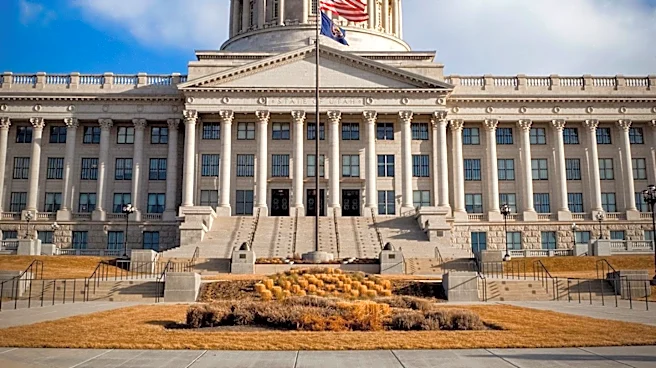
Utah Senate President Stuart Adams has initiated legal action by sending letters to four individuals, including Utah State Auditor Tina Cannon, demanding retractions for public statements made following his primary election defeat. Adams' lawyer has threatened
defamation lawsuits if the retractions are not issued. Adams stated his intention to stop what he described as 'lies' that have been spread about him for months, asserting that these false statements show a 'reckless disregard for the truth' and have caused significant harm to his reputation and family. The specific allegations targeted in the demand letters do not focus on the controversy surrounding the Stratos Data Center, which was a factor in his primary loss, but rather on claims of his purported 'control' of the Utah Capitol Preservation Board, legislation benefiting a family member, alleged campaign finance violations, and reprimanding legislators.
Why It's Important?
This development highlights a significant escalation in political discourse in Utah, where a prominent state leader is employing legal threats to counter public criticism. The move by Senate President Adams could have a chilling effect on free speech and political commentary, particularly from those who engage in public debate about elected officials. Conversely, Adams' actions underscore the potential for public statements to be perceived as defamatory, raising questions about the line between protected free speech and harmful falsehoods. The individuals targeted, including a state auditor and a Democratic consultant, have indicated they will not be intimidated, suggesting a potential legal battle that could set precedents for political speech and accountability in Utah. This situation also reflects the intense scrutiny and fallout that can follow a high-profile election defeat, particularly when controversial projects are involved.
What's Next?
The recipients of the letters from Utah Senate President Stuart Adams' lawyer, including Utah State Auditor Tina Cannon and Democratic consultant Gabi Finlayson, are expected to respond to the demands for retraction. Both Cannon and Finlayson have publicly stated their refusal to be intimidated and their intent to continue exercising their First Amendment rights. Cannon has even expressed a desire for Adams to file a lawsuit, indicating she is prepared for legal proceedings and intends to depose him under oath. If retractions are not issued, Adams' legal team may proceed with filing defamation lawsuits, which would initiate a potentially lengthy and public legal battle. This could lead to further revelations and legal interpretations regarding political speech, campaign finance, and the conduct of public officials in Utah.
Beyond the Headlines
The legal threats from Utah Senate President Stuart Adams extend beyond a typical political dispute, touching upon fundamental issues of free speech, public accountability, and the role of the judiciary in political discourse. The case could become a landmark example of how far public officials can go to protect their reputations against criticism, especially after an electoral defeat. It also raises ethical questions about the use of legal power to silence critics and the potential for such actions to deter legitimate oversight and commentary. The outcome of this situation, whether through retractions or protracted legal battles, will likely influence how political figures and their critics interact in Utah's public sphere, potentially shaping future political campaigns and public discourse around legislative actions and official conduct.